
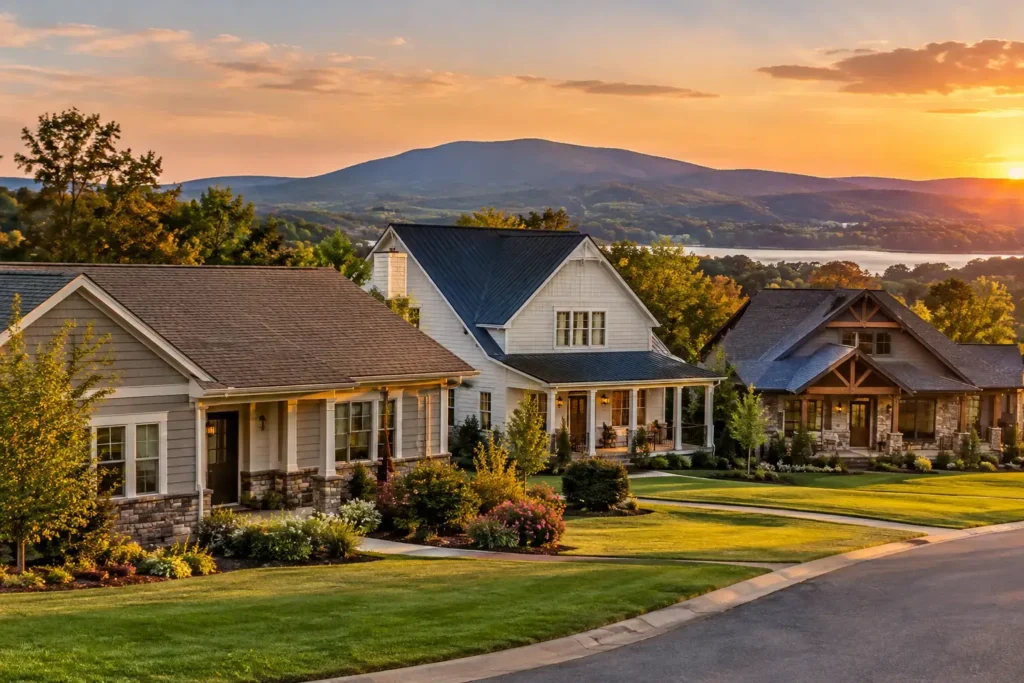
A home on a quiet Crossville street, a cottage near Lake Tansi, and a new build outside Cookeville may have similar square footage but very different home values. That is because buyers are not only comparing bedrooms and bathrooms. They are comparing lifestyle, upkeep, location, monthly costs, and how confidently they can picture themselves living there.
For sellers, understanding what shapes value can lead to smarter updates and a stronger listing plan. For buyers, it helps separate a good opportunity from a home that may be priced ahead of the market. Here is what matters most across Crossville and the surrounding Cumberland Plateau communities.
Location Still Sets the Starting Point for Home Values
Every property is local. A national headline may offer context, but it cannot tell you what buyers will pay for a ranch home in Fairfield Glade, a build-ready lot near Sparta, or a fixer-upper in Baxter.
In our area, location means more than the name of the town. Buyers pay attention to the drive to shopping, medical care, schools, work, and I-40. They also notice whether a home sits on a peaceful road, has usable outdoor space, or is close to golf, lakes, trails, and the slower pace that brings many people to Cumberland County.
Lake access or a lake-area setting can add appeal, but the details matter. Is there a view, community access, or a practical place to park a boat? Is the property easy to maintain? A home marketed as “near the lake” will not carry the same value as one with a genuine water view or reliable access.
Neighborhood consistency matters too. Well-kept nearby homes, stable development, and a setting that matches the likely buyer all support value. That does not mean every home must look identical. It means buyers can feel confident about what they are purchasing into.
Condition Matters More Than Fancy Finishes
A beautifully staged kitchen can create excitement, but buyers eventually look beyond paint colors and countertops. In many affordable and mid-market homes, they are especially focused on costly basics: the roof, HVAC system, windows, plumbing, electrical panel, crawl space, septic system, and signs of moisture.
A home in solid working order often earns stronger offers than one with high-end finishes and a long repair list. Buyers may be willing to personalize cabinets or replace flooring over time. They are less eager to inherit an aging roof or uncertainty around foundation drainage.
That is why sellers should start with practical preparation. Repair obvious defects, clean thoroughly, handle deferred maintenance, and make the home easy to inspect. A pre-listing walkthrough with a local real estate professional can help identify improvements that buyers will actually notice.
Updates Should Fit the Property and Price Range
Not every update returns dollar for dollar. Installing luxury features in a modest starter home may make it more attractive, but it may not raise the sale price enough to cover the cost. The better question is: what is holding this home back compared with other homes a buyer will tour?
Fresh neutral paint, good lighting, a tidy yard, updated hardware, and repaired trim can make a major difference because they make the property feel cared for. In a dated home, a clean and honest presentation can be more valuable than a rushed remodel with questionable workmanship.
For fixer-uppers, the right buyer may see potential where another sees work. Value depends on whether the asking price leaves room for renovation costs, time, and surprises. Sellers do not always need to renovate everything before listing, but they do need a price and marketing strategy that match the home’s condition.
Square Footage Is Only Part of the Story
More space generally helps, but usable space is what buyers remember. A well-designed 1,400-square-foot home with an open living area, good storage, and a functional primary bedroom can compete strongly with a larger home that feels chopped up or difficult to furnish.
Bedrooms and bathrooms carry weight, particularly for families and buyers who want room for visitors. Yet layout, natural light, ceiling height, covered porches, garages, workshops, and flexible rooms can influence how a buyer feels about the home just as much as the total square footage.
Land works the same way. An acre that is level, accessible, and suitable for a garden, garage, or future build may be more appealing than several steep or heavily wooded acres. For buyers seeking land in the Crossville area, road frontage, utilities, soil conditions, restrictions, and access can change the value picture quickly.
Local Buyer Demand Sets the Ceiling
A home is worth what a ready, qualified buyer is willing to pay in the current local market. That is why online estimates are useful as a starting point, not a final answer. Automated tools cannot walk through a home, judge maintenance, see the view from the back porch, or account for a community’s specific appeal.
Demand changes by property type. New construction may draw buyers who want lower maintenance and modern layouts. Ranch homes often appeal to downsizers and retirees who prefer one-level living. Homes with a little land can attract buyers relocating from busier areas. A fixer-upper may appeal to an investor or a buyer willing to trade effort for a lower entry price.
The number of competing homes also matters. When buyers have several similar options, condition and pricing become even more important. When inventory is limited, a clean, well-positioned home may receive attention quickly. Neither situation makes overpricing a good strategy. Buyers can recognize value, and they can also recognize when a home has been sitting too long.
Pricing Can Protect or Hurt Your Value
The list price does not create value by itself, but it strongly affects the first few weeks of activity. A price that reflects recent comparable sales, current competition, and the property’s actual condition gives buyers a reason to schedule a showing.
Pricing too high can cost more than time. A listing may miss the most motivated buyers, collect little feedback, and eventually require reductions. Once a home has been on the market for a while, buyers may wonder what they are missing, even when the only issue was the original price.
Pricing too low without a plan can also be risky. The goal is not to guess or chase attention. The goal is to understand the likely value range and choose a strategy based on your timeline, condition, and priorities. A seller who needs a quick, predictable move may make different choices than someone who can wait for a highly specific buyer.
Comparable Sales Need Local Context
The best comparison is not simply the closest home or the one with the same bedroom count. It is a recently sold property that a buyer would have realistically considered instead. A local review should account for age, lot size, updates, garage space, neighborhood, road type, and whether the sale involved unusual circumstances.
Active listings matter as well because they show what buyers can choose today. Pending sales can offer another clue, though final sale prices are what ultimately confirm where the market landed. This is why an in-person pricing conversation is more useful than relying on a single online number.
Timing and Presentation Create Momentum
People buy homes year-round in Tennessee, especially when a job change, retirement, family need, or relocation is driving the decision. Still, presentation has a real effect on home values and buyer response.
A bright, clean home with clear photos, organized rooms, and easy showing access stands out in every season. In spring and summer, curb appeal and outdoor living spaces often shine. In colder months, a warm interior, good lighting, and proof that the home is comfortable and well maintained can carry extra weight.
Sellers should also prepare for the practical side of a transaction. Gathering utility information, repair receipts, permits, HOA details, and any well or septic records can reduce uncertainty. When buyers receive clear answers, they are more likely to stay confident through inspections and negotiations.
A Better Way to Think About Value
Home value is not a prize awarded for loving your home, and it is not a number pulled from a website. It is the meeting point between your property’s real-world strengths and what local buyers need right now.
If you are thinking about selling in Crossville, Lake Tansi, Cookeville, Sparta, Baxter, Holiday Hills, or nearby communities, start by looking at your home through a buyer’s eyes. Then build a plan around the improvements, price range, and timing that fit your goals. A clear local strategy can turn “maybe someday” into a move you feel good about – and SOLD can become your favorite word, too.