
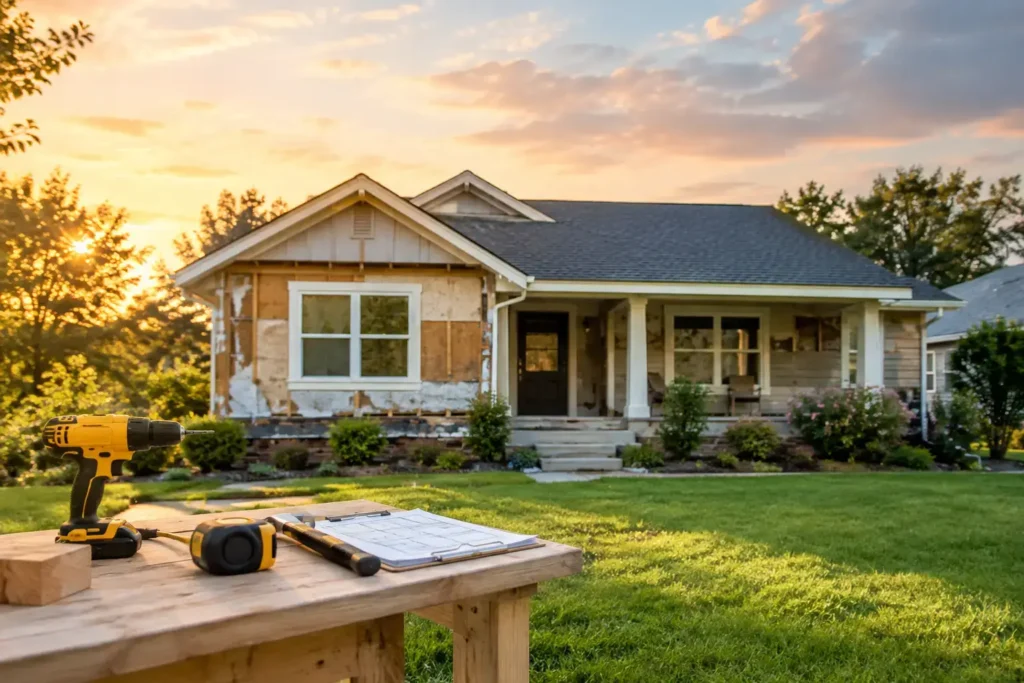
A fixer-upper can still be a strong sale in the Cumberland Plateau market. The key to how to sell a fixer upper is not making it look brand-new at any cost. It is helping buyers see the home’s potential, understand its condition, and feel confident that the price leaves room for their plans.
A house that needs work will not appeal to every buyer, and that is okay. Your best buyer may be an investor, a first-time buyer with renovation skills, a family looking for more square footage, or someone who wants a home near Lake Tansi, Crossville, Cookeville, Sparta, or Baxter without paying a fully updated-home price. The right strategy puts the property in front of those buyers and gives them a clear reason to act.
Start With an Honest Condition Review
Before deciding what to repair, take a clear-eyed look at the property. Walk through it as a buyer would, from the street to the backyard. Separate cosmetic issues, such as worn flooring or dated paint, from concerns that can stop a sale or scare buyers during an inspection, such as roof leaks, electrical hazards, plumbing problems, foundation movement, mold, or a nonworking HVAC system.
A pre-listing inspection is not required, but it can be useful when the home has been vacant, inherited, rented, or neglected for years. Knowing what is behind the walls helps you avoid surprises after a buyer is under contract. It also helps you decide whether to repair an issue, disclose it, adjust the price, or offer the home as-is.
As-is does not mean you can hide known problems. It simply means you do not plan to make repairs as part of the sale. Honest disclosures protect everyone and build trust with serious buyers.
Make Repairs That Help the Sale
The goal is not to renovate every room. It is to spend where it improves safety, first impressions, and buyer confidence. A new kitchen may not bring back every dollar you spend, especially if buyers will choose their own finishes anyway. But a dripping roof or an unsafe handrail can make buyers wonder what else has been overlooked.
Focus first on repairs that make the home functional and presentable. In many fixer-upper sales, that means addressing these items:
- Active roof, plumbing, electrical, or heating and cooling issues
- Safety concerns such as loose steps, broken railings, exposed wiring, or trip hazards
- Water damage, musty odors, and visible mold concerns
- Major debris, overgrown landscaping, and clutter that make rooms feel smaller
- Simple cosmetic updates like neutral paint, working light fixtures, and deep cleaning
A clean house with obvious repair needs usually performs better than a half-renovated house with dust, supplies, and unfinished projects everywhere. If you started a project, either complete it properly or remove the materials and price the home accordingly. Buyers often assume unfinished work will cost more than it really does.
Keep the Character Buyers Cannot Recreate
Older homes around Crossville and surrounding communities can have features that make them memorable: a large lot, mature trees, a covered porch, stonework, hardwood floors, a workshop, lake access, or a convenient location near town. Do not let peeling paint distract from the property’s best assets.
Clear the porch, open the curtains, trim back overgrowth, and make outdoor spaces easy to picture using. If the home has land, make access points and boundaries as clear as possible. For many buyers, the lot and location are the reason they are willing to take on the renovation.
Price a Fixer Upper for the Market You Have
Pricing is where many fixer-upper listings lose momentum. Sellers sometimes price based on what a fully updated home down the street sold for, then subtract a rough repair number. Buyers do not usually see it that way. They consider repair costs, time, financing limits, uncertainty, and the effort of managing contractors.
A better approach starts with recent sales of similar homes in the same area, then compares the condition, lot, layout, and features of your home. A local agent can also look at active competition. If several move-in-ready homes are available at a similar price, your fixer-upper needs enough of a price advantage to make the project worthwhile.
It depends on the property, but a well-located home that needs mostly cosmetic updates may command a stronger price than a home with major system repairs. A rural property with usable acreage may attract buyers despite a dated interior. On the other hand, a home needing extensive work may need pricing that appeals to cash buyers and renovation-minded investors.
Do not automatically price low just because the home needs work. Price it accurately, support the number with local comparables, and make sure the listing explains the opportunity. A fair price brings more showings. Multiple interested buyers can create the leverage sellers want.
Market the Opportunity, Not Just the Repairs
A good fixer-upper listing does not pretend the home is perfect. It tells a clear story: what the buyer gets, what needs attention, and why the property is worth considering.
Professional photos still matter, even when the home needs updates. They should show clean, well-lit rooms, useful spaces, the exterior, the lot, and standout features. Avoid photos that hide every flaw. Buyers who feel misled online are less likely to make an offer after touring the home.
Your property description should lead with the positives buyers care about. Mention the number of bedrooms, acreage, garage, basement, workshop, porch, neighborhood, nearby lake, or access to Crossville and other local destinations. Then use direct language about condition, such as “ready for your updates,” “great renovation potential,” or “priced with improvements in mind.”
Be careful with broad labels like “investor special.” They can be useful when a home truly needs significant work, but they may also discourage capable owner-occupants. If the home is livable and financeable, make that clear. You want the widest realistic buyer pool, not just flippers looking for a steep discount.
Plan for Financing and Inspection Questions
Not every buyer can use a standard mortgage on a home that needs substantial repairs. Certain loan programs may require the roof, HVAC, electrical, plumbing, and basic safety features to meet property standards before closing. Cash buyers have fewer lender restrictions, but they may negotiate harder because they know they can close quickly.
This does not mean you must accept the first cash offer. It means you should weigh price, repair requests, proof of funds, financing type, timeline, and the buyer’s ability to follow through. A slightly lower offer with fewer contingencies can be the better deal when the property has clear condition challenges.
Inspection negotiations are common. Decide ahead of time where you have flexibility. You may choose to repair one major issue, offer a credit when allowed, reduce the price, or hold firm if the home was already priced for its condition. Having estimates for known repairs can make these conversations more practical and less emotional.
Work With a Local Agent Who Knows the Buyer Pool
Selling a fixer-upper is not the same as selling a turnkey home. The marketing, pricing, disclosures, showing preparation, and offer review all need to reflect the property’s condition. A local agent can help you identify who is most likely to buy, position the home accurately, and avoid spending money on upgrades that will not improve your outcome.
At 931 Dream Homes, the focus is on helping sellers make confident decisions based on their home, their goals, and the local market – not a one-size-fits-all renovation checklist. Sometimes a few strategic repairs can change the entire response to a listing. Other times, selling as-is and pricing it right is the smartest path forward.
Your fixer-upper does not need to be someone else’s finished dream home before it can sell. It needs a clear plan, a realistic price, and a presentation that lets the right buyer imagine what comes next. Start with the property’s strengths, be straightforward about the work, and give buyers a reason to see the opportunity behind the project.