
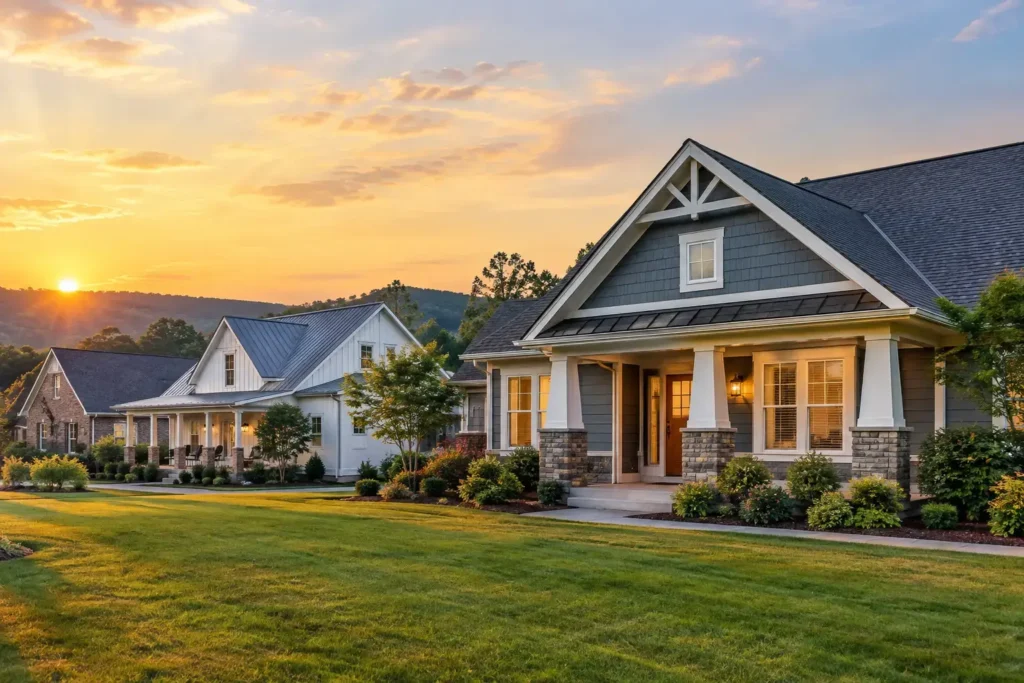
A buyer may love your covered porch, workshop, or Lake Tansi view. An appraiser has a different job: determining what the property is likely worth based on the market. Understanding what affects home appraisal can help you set realistic expectations, respond wisely if value comes in low, and prepare your home before the appraiser arrives.
For sellers around Crossville, Cookeville, Sparta, and nearby Cumberland Plateau communities, an appraisal is not a judgment of how well you have cared for your home. It is a professional opinion of value supported by data. The details matter, but the strongest influence is usually what similar homes have actually sold for nearby.
What Affects Home Appraisal Most?
An appraiser considers the home, the land, the neighborhood, and recent local sales. No single feature guarantees a certain value. A beautiful renovation can help, but it may not return dollar-for-dollar if comparable homes in the area have sold at lower prices.
Recent comparable sales
Comparable sales, often called “comps,” are the foundation of most residential appraisals. The appraiser looks for recently sold homes that are similar in location, size, age, style, condition, lot size, and features. Closed sales carry more weight than active listings because an asking price shows what a seller hopes to receive, while a closed sale shows what a buyer actually paid.
In smaller markets and rural areas, finding a perfect match can be difficult. A home on several acres outside Sparta may not have another nearly identical sale within a few blocks. In that case, the appraiser may use sales from a wider area or older sales and make adjustments for meaningful differences. This is one reason local market knowledge matters when pricing a home.
Location and setting
Location influences value, but it is more specific than simply naming a town. A home close to shopping, healthcare, schools, major roads, recreation, or employment centers may appeal to more buyers. In the Crossville area, proximity to golf, lakes, walking trails, or a preferred community can also shape demand.
The setting can work both ways. A larger lot, mountain or water view, paved road access, and usable outdoor space can support value. On the other hand, heavy road noise, difficult access, steep terrain, flood concerns, or a location next to commercial activity may limit the buyer pool. For rural homes, appraisers may also consider whether the acreage is usable, whether utilities are available, and how the property compares with other homes in that price range.
Size, layout, and functional space
Appraisers typically compare above-grade living area, bedroom and bathroom count, garage space, and overall functionality. A home with 1,800 finished square feet generally competes differently than one with 1,300 square feet, even if both have three bedrooms.
Layout matters, too. An additional bedroom or full bath can add appeal, especially for families or buyers planning for guests. But not every finished space is valued the same way. A finished basement, enclosed porch, detached apartment, or bonus room may contribute value, yet its treatment depends on permits, quality, access, heating and cooling, and how local buyers view that type of space.
Condition, maintenance, and updates
A clean, well-maintained home makes it easier for an appraiser to see its true condition. Deferred maintenance can raise concerns, particularly when it involves the roof, foundation, HVAC system, plumbing, electrical components, windows, or signs of moisture.
Updates can support value when they are consistent with the market. A newer roof, updated kitchen, refreshed bathrooms, modern flooring, efficient windows, or a well-kept exterior may help a home compare more favorably with nearby sales. Still, upgrades are not always returned at their full cost. A $40,000 kitchen remodel does not automatically add $40,000 to the appraisal. Value depends on the home’s price range and whether buyers are paying more for similar updates nearby.
Features that fit local buyer demand
The Cumberland Plateau attracts many kinds of buyers: retirees seeking lower-maintenance living, families needing room to grow, buyers looking for land, and people relocating for a quieter lifestyle. Features that meet those needs can matter. Single-level living, step-free entry, a usable garage, fiber internet availability, a fenced yard, a screened porch, a workshop, or a manageable lot may strengthen appeal.
For lake-area properties, access and view can be meaningful factors, but details make a difference. A water view, deeded access, dock rights, or direct waterfront are not interchangeable. The appraiser will compare those features with similar sales rather than assuming every lake-area home receives the same premium.
Property Type Can Change the Appraisal Picture
A standard in-town ranch home is often easier to appraise than a unique property with acreage, a custom build, or an extensive renovation. That does not mean unique homes are less valuable. It means the appraiser may have fewer close comparisons and more adjustments to make.
New construction homes
For new construction, quality of materials, floor plan, lot, builder reputation, and current sales in the subdivision or surrounding market all play a role. An appraisal may also consider whether the home is complete. Unfinished landscaping, missing appliances, or incomplete punch-list items can affect the loan process, depending on the lender’s requirements.
Land and homes with acreage
Land value is not simply calculated by multiplying acreage by a number. Road frontage, topography, utilities, soil conditions, restrictions, access, zoning, and buildability all matter. Five level, build-ready acres may be more valuable than ten steep acres with limited access.
For a home with acreage, the appraiser separates the value of the residence from the land as needed and compares it with similar rural properties. Barns, outbuildings, fencing, and ponds may add value, but only when the market recognizes them. A large barn can be a major benefit to one buyer and unnecessary upkeep to another.
Fixer-uppers and older homes
Older homes can have character, solid construction, and strong potential. They can also bring appraisal challenges when major systems are outdated or repairs are visible. Peeling paint, exposed wiring, damaged flooring, roof concerns, and incomplete projects may affect value or trigger lender-required repairs for certain loan types.
If you are selling a fixer-upper, price it according to its current condition rather than the vision a future buyer may create. If you are buying one, keep room in your budget for repairs that may not be reflected in the appraisal.
What Sellers Can Do Before the Appraisal
You cannot control the comparable sales, but you can make the property easy to evaluate. Start by handling obvious maintenance issues, replacing burned-out bulbs, trimming overgrown landscaping, and making sure the appraiser can access the attic, crawlspace, garage, and all rooms. Cleanliness alone does not increase value, but a cared-for home communicates condition more clearly.
Prepare a simple list of improvements with approximate dates and costs. Include practical upgrades such as a new HVAC system, roof replacement, water heater, septic work, insulation, windows, or electrical updates. If you have permits, surveys, warranties, receipts, community information, or details about shared lake access, have them available. Facts help the appraiser understand features that may not be obvious during a short visit.
Your real estate agent can also provide relevant comparable sales and explain local factors, especially when a property has unusual acreage, a desirable location, or improvements that may not show up clearly in public records. The appraiser makes the final value decision, but accurate information supports a more complete review.
If the Appraisal Comes in Low
A low appraisal does not automatically end a sale. First, review the report for factual errors. Check square footage, bedroom and bathroom counts, lot size, condition, upgrades, and the selected comparable sales. If a meaningful mistake exists, the lender may have a process for requesting reconsideration.
If the value is still below the contract price, buyers and sellers may renegotiate, the buyer may bring additional funds, or the parties may choose another path allowed by the contract. The best option depends on financing, demand for the property, and how strongly the sales data supports the agreed price.
A well-prepared appraisal starts long before the appraiser pulls into the driveway. Price with the local market in mind, keep records of your home’s care and improvements, and ask questions early. At 931 Dream Homes, we believe clear guidance helps buyers and sellers move forward with confidence – and gets everyone closer to hearing the best word in real estate: SOLD.