
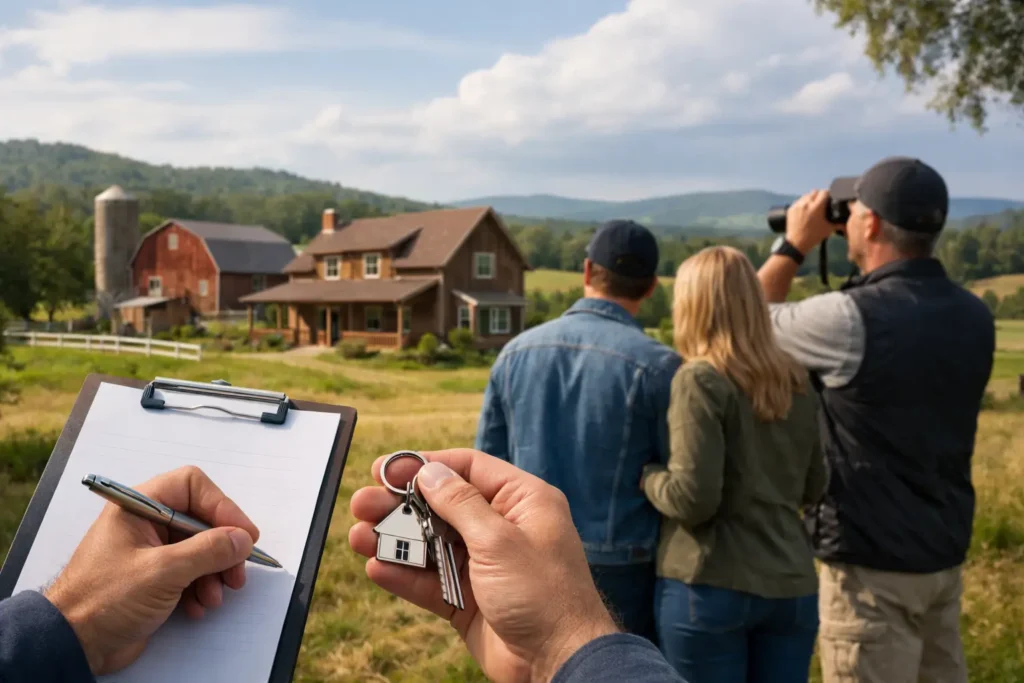
A long driveway, room for a garden, a quiet morning on the porch – rural living can feel like the fresh start many buyers are looking for. But buying rural homes is different from buying in a subdivision. The house matters, of course, but so do the land, the utilities, the road, and the everyday details that may not show up in a listing photo.
For buyers around Crossville, Cookeville, Sparta, Lake Tansi, Baxter, Holiday Hills, and the Cumberland Plateau, rural property can offer real value. You may find more acreage, more privacy, and a home that fits your budget better than a comparable property in a busier area. The right purchase begins with looking beyond the front door.
Buying Rural Homes Starts With the Land
A rural home’s acreage is part of the property, not just a nice view. Before making an offer, understand exactly what you are buying. Ask for a recent survey or find out whether one is available. Property lines can be less obvious in the country, where a fence line, a tree row, or an old driveway may not match the legal boundary.
Walk the land if you can. Notice the slope, drainage, wooded areas, open pasture, creeks, and any low spots that hold water after rain. A gently rolling lot may be perfect for a garden or workshop, while a steep or wet section can limit where you build, park equipment, or add a fence.
Also ask about access. Does the property have a recorded easement if the driveway crosses another parcel? Is the road publicly maintained, or will owners share maintenance costs? A beautiful home at the end of a private lane can be a great fit, but buyers should know who handles gravel, drainage, snow, and repairs before closing.
Make sure the land fits your plans
Your plans for the property should shape your questions. A buyer who wants a few chickens has different needs than someone planning a large garden, detached garage, short-term rental, or future guest home. County rules, deed restrictions, and homeowner association guidelines can all affect what is allowed.
Do not assume that acreage means total freedom. Some rural communities have restrictions on manufactured homes, livestock, business use, fencing, or additional structures. If a future project is important to you, verify the rules before your inspection period ends.
Check Water, Septic, and Utilities Early
Many rural homes are not connected to city water and sewer. That is common, manageable, and often completely reliable, but it calls for a closer look during the due diligence process.
If the home uses a well, ask about its age, depth, service history, and water quality. A standard home inspection may identify visible equipment issues, but a separate water test can provide useful information about bacteria, minerals, and other conditions. If the home has a filtration or softening system, find out whether it is owned, leased, or due for replacement.
For septic systems, ask for available permits, pumping records, and the location of the tank and drain field. The system should be inspected by a qualified septic professional, especially if the home is older or the property has had additions. A septic issue can be expensive, so this is not an area to leave to guesswork.
Internet and cell service deserve the same attention. If you work remotely, stream television, run a home business, or simply want dependable service, check what providers serve the address. Do not rely only on a provider’s coverage map. Visit the property with your phone, test the signal, and confirm available internet speeds directly with providers.
Other utility questions to ask include whether the home is on propane, natural gas, or electric heat; the age and condition of the HVAC system; and average monthly utility costs. A rural home may have lower purchase costs but higher heating, maintenance, or delivery expenses depending on its setup.
Look Beyond the House Inspection
A quality home inspection is one of the strongest tools a buyer has, but rural properties often need a few more specialized inspections. The right combination depends on the home, its age, and the land.
Consider these checks when they apply:
- A well water quality and flow test
- A septic inspection and pumping record review
- A survey or boundary review
- A chimney inspection for wood-burning fireplaces or stoves
- A pest inspection, including termites and wood-destroying insects
- A roof, drainage, or structural review for older homes and fixer-uppers
Older farmhouses, cabins, and country homes have character that newer homes cannot always match. They may also have aging electrical panels, crawlspace moisture, older plumbing, or previous additions completed without clear documentation. That does not automatically make a home a bad purchase. It simply means you need a realistic repair budget and a clear understanding of what is urgent, what is cosmetic, and what can wait.
Budget for the Life You Want, Not Just the Mortgage
Rural homes can offer more house and land for the money, but ownership costs vary. A larger roof costs more to replace. Long driveways need upkeep. Trees may need trimming. A private well pump, septic system, or gravel road can create expenses that a city homeowner never sees.
Before you decide on a comfortable purchase price, account for property taxes, homeowners insurance, utility costs, maintenance, and travel time. Insurance is especially worth checking early. A property with a long response time to a fire department, an older roof, or a wood stove may have different coverage options and premiums than a home in town.
If you are looking at land with a home that needs work, separate your budget into two parts: what you can spend to buy and what you can spend after closing. A fixer-upper can be a smart opportunity when the location, lot, and structure are right. It becomes stressful when necessary repairs consume the money set aside for moving, furnishings, or emergencies.
Think about financing before you fall in love
Financing rural property can be straightforward, but lenders may have additional questions about acreage, private roads, wells, septic systems, and the home’s condition. Conventional loans, VA loans, FHA loans, and other programs can work in many situations, but eligibility depends on the property as well as the buyer.
Pre-approval gives you a useful price range, yet it is wise to discuss the specific type of property you want with your lender. A home on several acres, a house with an outbuilding, or a property with unusual features may need a closer review. If you are buying land to build later, financing works differently than buying a move-in-ready home.
Location Still Matters in the Country
Privacy is a major reason people move outside town, but convenience still shapes daily life. Drive the route to work, school, grocery stores, health care, and the places you visit most often. Make the drive at different times of day if possible. Ten peaceful extra minutes may feel easy to one buyer and frustrating to another.
Also look at the surrounding properties. Are nearby parcels wooded, residential, agricultural, or vacant? Vacant land can stay peaceful for years, or it can eventually be developed. You cannot control every future change, but you can understand the current setting and zoning before you buy.
For buyers relocating to the Cumberland Plateau, the lifestyle can be a wonderful match. Crossville and nearby communities offer access to lakes, golf, trails, local shops, and a slower pace without giving up everyday essentials. The best rural home is not necessarily the one with the most acreage. It is the one that supports the way you actually want to live.
Make an Offer With the Right Protection
A strong offer on a rural property should give you room to investigate the details that matter. Your real estate agent can help you structure timelines for inspections, financing, appraisal, and any property-specific concerns. If the property has a well, septic system, private road, or unclear boundary questions, address them early rather than hoping they work themselves out later.
Sellers may not have every record, particularly for older homes. That is normal. What matters is using the available information, professional inspections, and local guidance to make a confident decision. A lower-priced property is not always the better value if major unknowns are left unresolved.
At 931 Dream Homes, we believe a country home purchase should feel exciting, not confusing. The right local guidance helps you focus on the possibilities while asking practical questions before you commit.
When you find a rural home that feels right, take the time to learn how it works on an ordinary Tuesday, not just during a sunny showing. That extra care can turn a beautiful piece of Tennessee into a home you will be happy to come back to for years.
Pingback: Selling Vacant Land in Crossville With Confidence – 931 Dream Homes
Pingback: How to Buy Build Ready Land Without Costly Surprises – 931 Dream Homes
Pingback: Preparing Your House for Showings in 10 Steps – 931 Dream Homes
Pingback: Financing a Buildable Residential Lot in Tennessee – 931 Dream Homes