
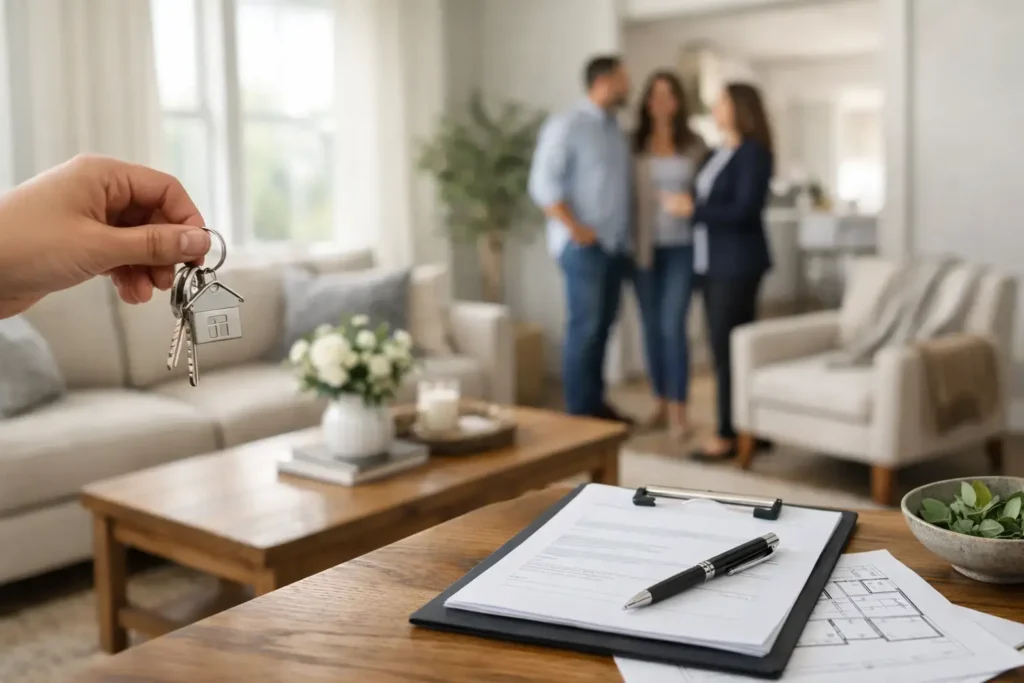
A buyer may decide how a home feels before they reach the front door. In Crossville and the surrounding Cumberland Plateau communities, buyers are often comparing quiet streets, lake-area settings, usable lots, and homes that offer real value. Preparing your house for showings helps them focus on the life your property can offer, not the work they think they will need to do after moving in.
The goal is not to make your home look like no one lives there. It is to make it feel clean, cared for, open, and easy for a buyer to imagine as their own. A few thoughtful choices can make a strong first impression and support a better showing experience from the driveway to the backyard.
1. Start at the Curb
Buyers form an opinion quickly, especially when they are viewing several homes in one day. Walk across the street or pull into your driveway as if you were seeing the property for the first time. Look for the small details that may signal deferred maintenance: weeds in the flower beds, a porch light that is out, leaves gathered near the entry, or an overgrown walkway.
Mow the lawn, trim back shrubs from windows and paths, and clear branches or clutter from the yard. A fresh welcome mat, clean front door, and tidy porch can make a surprising difference. If your mailbox numbers are faded or hard to read, replace them. Buyers should be able to find the home easily and feel welcomed when they arrive.
For rural properties, homes on larger lots, or land-focused listings, access matters just as much. Make sure the driveway is clear, gates are easy to open, and any paths to a barn, shed, creek, or usable acreage are safe to walk. Those features may be a major reason someone scheduled the showing.
2. Clean for the Details Buyers Notice
A regular weekly clean is different from a showing-ready clean. Buyers look in corners, notice baseboards, and often spend extra time in kitchens and bathrooms. Their attention is not meant to be critical, but they are trying to understand how well the home has been maintained.
Focus first on visible surfaces: floors, counters, sinks, mirrors, appliances, windows, and light fixtures. Wipe fingerprints from doors and cabinets. Remove pet hair from furniture and rugs. Empty trash cans before every showing, including the small ones in bathrooms.
Kitchens and bathrooms deserve extra attention because they can strongly influence a buyer’s perception of value. Clear the kitchen counters except for a few simple items, such as a coffee maker or bowl of fresh fruit. In bathrooms, put away daily toiletries, medicine, cleaning supplies, and damp towels. A clean shower curtain, fresh hand towel, and closed toilet lid create a simple, polished look.
3. Handle Odors Before Adding Fragrance
A home can be spotless and still lose a buyer’s attention if it has a lingering odor. Cooking smells, pets, smoke, mildew, laundry, and even a closed-up house can be noticeable to someone walking in for the first time.
Open windows when the weather allows, wash pet bedding, clean litter areas promptly, and avoid cooking strong-smelling foods before a scheduled visit. If there is a musty smell, do not try to cover it with heavy candles or air fresheners. Address the source. Check damp towels, trash, drains, carpets, basements, crawlspace access areas, and HVAC filters.
A light, clean scent is fine, but neutral is better than overpowering. Buyers want to feel confident the home is fresh, not wonder what a strong fragrance is trying to hide.
4. Make Rooms Feel Larger and More Useful
Space sells, but clutter can make even a generously sized room feel smaller. Start by removing excess furniture, bulky storage pieces, and items that block natural walking paths. This is especially helpful in ranch homes, cottages, and older properties where rooms may be more compact.
You do not need to empty every room. Instead, give each space one clear purpose. A spare bedroom packed with boxes can read as limited storage. Move the boxes out, add simple bedding, and let buyers see it as a bedroom, office, nursery, or hobby room. A dining table covered in paperwork should become a place where a family can picture sharing a meal.
Pack personal collections, oversized family photos, and highly specific decor. Buyers should remember the fireplace, the sunlight, and the layout, not the refrigerator covered with magnets or a shelf full of memorabilia. This step also gives you a head start on moving day.
5. Let in Natural Light
Cumberland Plateau homes can offer beautiful wooded views, rolling lots, and peaceful outdoor spaces. Do not hide those features behind closed blinds or heavy curtains. Open window treatments before each showing, clean the glass, and move furniture that blocks a view.
Turn on lights throughout the house, even during daytime showings. Replace burned-out bulbs and aim for consistent, warm lighting where possible. Dark hallways, closets, and corners can make buyers question a home’s condition or size. Good lighting helps a space feel inviting and lets buyers see the home clearly.
If a room is naturally dark, use lamps and lighter accessories rather than trying to disguise it. Every house has trade-offs. The goal is to present each room at its best while allowing buyers to understand the home honestly.
6. Take Care of Small Repairs
Little problems can create big questions. A dripping faucet, loose cabinet handle, sticking door, cracked switch plate, or missing grout may be inexpensive to fix, but buyers can interpret repeated small issues as signs that larger maintenance has been overlooked.
Before showings begin, walk through the home with a notepad and test the basics. Open doors and windows, turn on faucets, flush toilets, check ceiling fans, and look for visible scuffs or nail holes. Touch up paint where needed, tighten hardware, and replace worn caulk around tubs and sinks.
Not every project needs to be completed before listing. Major renovations may not deliver a full return, and some buyers want to choose their own finishes. Your real estate professional can help you decide whether a repair, a price adjustment, or clear presentation is the smartest path for your particular home.
7. Show Off Storage Without Stuffing It
Buyers will open closets, pantry doors, cabinets, and sometimes utility areas. That is normal. They are checking whether the home works for their belongings and daily routines.
Aim to remove at least a third of what is stored in closets and cabinets. Neatly grouped items make storage look more generous and useful. Clear laundry room surfaces, organize the pantry, and keep garage shelves as tidy as possible. If you have a workshop, shed, or outbuilding, make it safe and accessible so buyers can see its potential.
For homes with basements, crawlspace entries, attics, or mechanical rooms, clear a safe path to major systems. Buyers may not inspect these spaces during every showing, but easy access sends a message that the property has been cared for.
8. Create a Simple Showing Routine
The hardest part of preparing your house for showings is often maintaining it while life keeps moving. A short routine makes last-minute appointments less stressful. Keep a laundry basket or tote handy for quick pickup, and use it to gather mail, shoes, pet supplies, and everyday items before you leave.
Before each showing, make beds, wipe counters, turn on lights, check that the thermostat is comfortable, and take pets with you when possible. Do not leave valuables, prescription medications, financial paperwork, firearms, or personal documents out in the open. Secure them before buyers arrive.
Try to leave the home during the showing. Buyers tend to stay longer and speak more freely when the owner is not present. Your agent can answer questions and help visitors experience the home without pressure.
9. Prepare the Outdoor Living Areas
In this part of Tennessee, outdoor space can be a deciding factor. A covered porch, deck, fire pit, garden area, lake view, fenced yard, or level spot for gatherings adds real lifestyle value when it is easy to see and enjoy.
Sweep decks and patios, remove worn or broken furniture, and arrange outdoor seating simply. Put away hoses, tools, and children’s toys. If the property has a view, trim vegetation carefully where appropriate and make sure buyers can safely reach the spot where that view is best.
Do not forget evening showings. Exterior lights should work, pathways should be clear, and steps should be secure. A welcoming outside area helps buyers imagine morning coffee, family visits, or a quiet Tennessee evening at home.
10. Ask for an Honest Set of Eyes
After living in a home for years, it is easy to stop seeing the details. Ask your agent, a trusted friend, or a family member to walk through and point out what stands out. The feedback may include something simple, like removing a large rug that hides the flooring or changing the layout of a crowded living room.
At 931 Dream Homes, we believe selling should feel supported, not overwhelming. A thoughtful showing plan can help your home stand out while giving you a clear, manageable path forward.
Your home does not need to be perfect to make a buyer feel something special. It needs to feel ready for the next chapter. Put your energy into the details buyers can see, smell, and experience, then leave room for them to picture their own dream home taking shape there.