
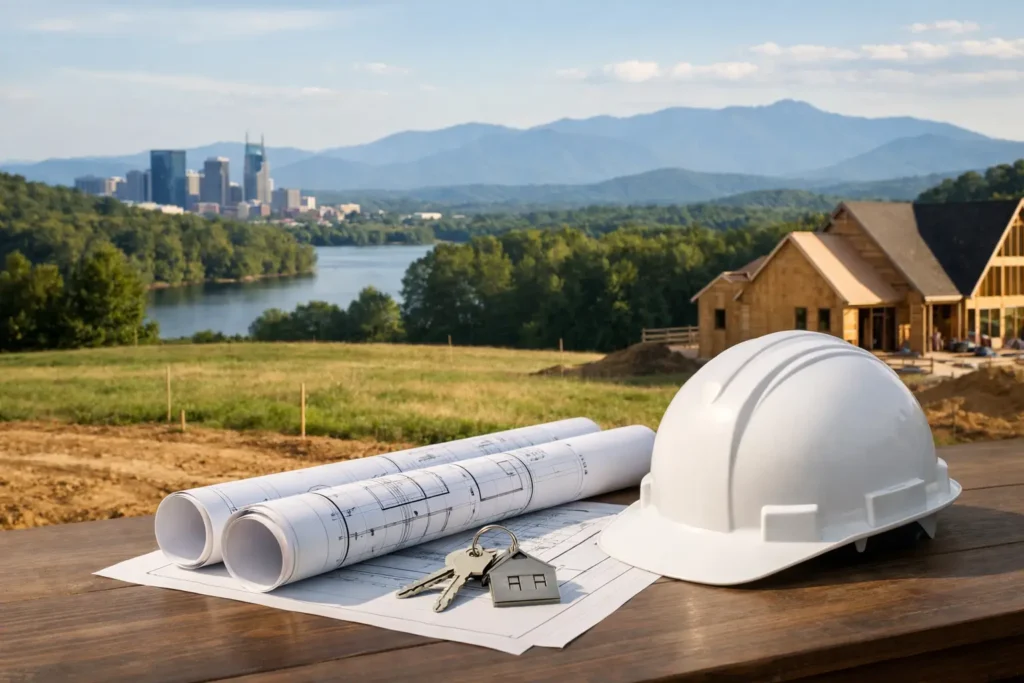
A lot can look perfect at first glance – open space, pretty trees, maybe even a mountain view – but building on raw land in Tennessee is where the real questions start. If you are shopping for lots to build on Tennessee, you need more than curb appeal. You need to know what the land will actually let you do, what it will cost to get there, and whether it fits the way you want to live.
That matters even more in places like Crossville, Cookeville, Sparta, Lake Tansi, Baxter, and the surrounding Cumberland Plateau communities. Buyers are often drawn here for the same reasons – more room, more value, and a slower pace without giving up the basics. The right lot can absolutely set you up for that dream. The wrong one can turn a simple build into months of delays and surprise expenses.
Why lots to build on Tennessee attract so many buyers
Tennessee has become a strong choice for buyers who want flexibility. Some want a custom home instead of competing over resale inventory. Others want a smaller ranch, a retirement home, or a place near the lake with enough yard to enjoy it. Land gives you options that existing homes sometimes cannot.
In the Upper Cumberland area, there is another advantage – value. Compared with many larger metro markets, buyers can still find buildable land at price points that make sense for first-time buyers, retirees, and families trying to stay on budget. That does not mean every tract is a deal. It means smart buyers can still find opportunity if they know what to check before making an offer.
Start with the build, not just the land
One of the biggest mistakes buyers make is falling in love with the lot before they understand the house they want to place on it. A flat, cleared parcel may work beautifully for a simple single-level home. A sloped wooded lot may be ideal for a walkout basement but cost more to prep. The land and the house plan need to match.
Before you shop seriously, get clear on the basics. Are you building now or later? Do you want a modest starter home, a custom farmhouse-inspired build, or a retirement-friendly layout with minimal stairs? Will you need space for a garage, workshop, RV parking, or a larger backyard for pets and grandkids? Those answers shape which lots make sense and which ones only look good online.
What to check before buying lots to build on Tennessee
The most important part of buying land is doing the unglamorous homework. Pretty photos do not tell you if power is nearby, if the lot passed a soil test, or if you can even build the size home you want.
Utilities can change your budget fast
Some lots are ready for a straightforward build. Others are still missing key services. You need to know whether public water is available, whether sewer is on site, or whether a septic system will be required. If septic is needed, the property may need a perc test or prior approval for the number of bedrooms you want.
Electric access matters too. If utility lines are far from the homesite, installation costs can climb quickly. Internet service is another practical issue people forget until late in the process. If you work from home or stream regularly, confirm what is available before you commit.
Zoning and restrictions matter more than buyers expect
Not every lot gives you the same freedom. Some parcels are in subdivisions with building requirements, minimum square footage rules, or design standards. Others may be subject to county regulations without a homeowners association. Neither is automatically better. It depends on what you want.
If you love the idea of building exactly what you want, restrictions can feel frustrating. On the other hand, some buyers like the consistency and protection they bring. The key is knowing up front whether your plans fit the property.
Topography affects cost
A lot with a view may come with more site work. Steep slopes can require extra grading, retaining walls, specialized foundations, or more expensive driveway installation. Heavily wooded parcels may need clearing before construction even begins.
That does not mean you should avoid those properties. Some of the most beautiful homes in Tennessee sit on land with character. It simply means the purchase price is not the whole story. A cheaper lot may end up costing more than a higher-priced one that is easier to build on.
Access is not a small detail
Always look closely at road access. Is the property on a public road, a private road, or an easement? Is the driveway entrance obvious and usable year-round? In rural or semi-rural areas, road maintenance and access agreements can matter more than buyers expect.
This is especially true if you are buying land in a quieter setting because it feels tucked away. Privacy is great. Hard-to-reach is a different issue.
Location still leads the decision
Even when you are buying vacant land, location drives long-term value. Think beyond the lot lines. How far are you from groceries, medical care, schools, and everyday errands? Does the area fit your routine now, not just your ideal weekend version of life?
Crossville and nearby communities appeal to many buyers because they strike a practical balance. You can find neighborhoods, lake-area settings, and more rural options without feeling cut off. For retirees, that often means peace and convenience. For families, it can mean more house and land for the money. For buyers relocating from busier markets, it often means breathing room.
If resale value is part of your thinking, location matters even more. A build on a well-placed lot near established demand usually gives you more flexibility later than a property that is cheap but isolated or hard to improve.
How financing works for land and construction
Land financing is usually different from buying a completed home. Some buyers pay cash for the lot and finance the build later. Others use construction-to-permanent loans. Some lenders are more comfortable than others with raw land, rural parcels, or lots without full utilities in place.
This is where buyers can get tripped up. It is easy to assume that if you can afford the lot, the rest will fall into place. But lenders often look at the full picture – land value, build plans, builder approval, improvements, and timeline. It is smart to talk through financing early so you are not buying a parcel that creates a headache later.
When a cheap lot is not really cheap
Low list prices get attention, but land can be deceiving. If a property needs extensive clearing, a long driveway, septic approval, utility extension, and drainage work, your total cost may end up far above your original estimate.
That is why experienced buyers compare lots based on total project cost, not just purchase price. A more expensive lot in a better location with easier access and existing utilities may actually be the better financial move. It depends on your build goals, your timeline, and how much uncertainty you are comfortable with.
The best buyers ask practical questions early
When buyers are serious about lots to build on Tennessee, the strongest move is asking direct, local questions from the start. Has the property been surveyed recently? Are the boundaries clearly marked? Is there a recorded plat? What do neighboring properties look like? Are there flood concerns, drainage issues, or unusual site conditions?
These are not deal-killer questions. They are confidence-building questions. The goal is not to make buying land feel complicated. The goal is to avoid surprises after you already feel emotionally committed to the property.
For many buyers in this region, having local guidance makes all the difference. A good real estate partner should help you think beyond the listing and into the day-to-day reality of building there. That is especially true if you are relocating, buying your first piece of land, or comparing multiple towns across the Upper Cumberland. At 931 Dream Homes, that practical local perspective is a big part of helping buyers move forward with confidence.
What a good buildable lot usually looks like
There is no single perfect formula, but strong lots tend to have a few things in common. They match your home plan, fit your budget beyond just the purchase price, and sit in a location that supports your lifestyle. They also come with fewer question marks around access, utilities, restrictions, and site prep.
Sometimes the best lot is the one with the best view. Sometimes it is the one with the shortest path to a finished home. If you are building on a budget, ease of construction may matter more than extra acreage. If you are planning a forever home, privacy and layout may matter more than speed. This is where real estate becomes personal.
A good lot should not just look promising. It should make the next step feel realistic.
If you are considering land in Tennessee, take your time, ask the plain-English questions, and picture the finished life – not just the empty land. The right lot should help you build with confidence, not guesswork.