
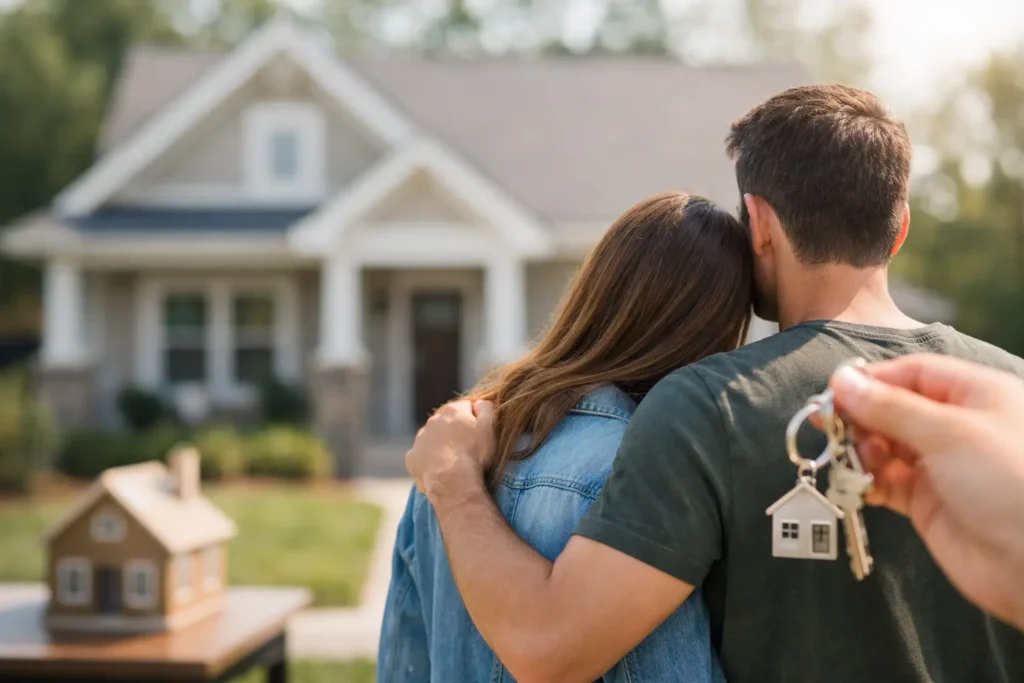
That first house usually starts as a number in your head. Maybe it is a monthly payment you think you can handle, or a picture of a small ranch near town, or a place with enough yard for the dog and a little breathing room. If you are wondering how to buy a starter home, the best place to begin is not with listings. It is with a clear plan for what you can afford, what you can live with, and what will still make sense a few years from now.
A starter home is not supposed to be perfect. It is supposed to work. For some buyers in Crossville, Cookeville, Sparta, Lake Tansi, Baxter, or Holiday Hills, that means a modest home in move-in condition. For others, it means a fixer-upper with solid bones and room to build equity. The goal is not to find your forever home on day one. The goal is to make a smart first move.
How to buy a starter home by starting with your real budget
A lot of buyers focus on the maximum number a lender will approve. That number matters, but it should not be the number that makes your decision. A comfortable budget leaves room for utilities, repairs, insurance, property taxes, and real life.
Think about your monthly payment in the context of everything else you need to do. If buying a home means you cannot save, handle car repairs, or enjoy weekends without stress, the house may be too expensive even if you technically qualify. A starter home should help you move forward, not pin you down.
Before you shop seriously, look at your income, debt, savings, and spending habits. If you are paid hourly, self-employed, or working with variable income, be even more careful. Lenders may count your income differently than you do, and you want to know that early.
Get pre-approved before you fall in love with a house
Pre-approval gives you a real price range and shows sellers you are serious. In a competitive market, that matters. It also helps you avoid wasting time on homes that look perfect online but stretch your finances too far.
This step is especially helpful for first-time buyers who are still learning what financing feels like in real numbers. Your down payment, interest rate, loan type, and credit score all affect your payment. Even a small difference in rate can change what feels affordable.
A pre-approval is not just paperwork. It is one of the most useful reality checks in the process.
Know what matters most in a starter home
The easiest way to get overwhelmed is to search for everything at once. A better approach is to separate needs from wants. You may want a big porch, updated finishes, or extra land. You may need two bedrooms, a reasonable commute, and a roof that is not near the end of its life.
That difference matters because starter homes usually involve trade-offs. A newer home may cost more but need fewer repairs. An older home may give you more space or a better location for the price, but you might spend more on updates. A home outside the busiest area may offer better value, but your drive could be longer.
If you are buying in smaller communities around the Cumberland Plateau, lifestyle is often part of the decision. Some buyers want quiet roads, a little acreage, or lake access. Others want to stay close to schools, work, shopping, or family. Neither choice is wrong. The key is being honest about the daily life you want.
How to buy a starter home without overlooking the neighborhood
First-time buyers sometimes put all their attention on the house and not enough on the location. But you can paint walls and replace flooring. You cannot move the neighborhood.
Pay attention to what surrounds the property. Consider drive times, noise, traffic, internet availability, and the general upkeep of nearby homes. Visit at different times of day if you can. A street that feels peaceful at noon can feel very different in the evening.
If resale matters to you, and it should, think about what future buyers will care about too. A home that is clean, well-located, and priced right often gives you better options later than a house with flashy updates in a less practical spot.
Look past cosmetics and notice the expensive stuff
Fresh paint and pretty staging can be distracting. What really matters in a starter home is the condition of the big-ticket items. Pay close attention to the roof, HVAC system, plumbing, electrical, windows, and foundation.
This is where buyers need a balanced mindset. A home with outdated cabinets may still be a great buy. A home with hidden water issues or major structural concerns may not be. Repairs are part of homeownership, but not all repairs are equal.
Cosmetic updates can often wait. Safety issues and major system failures usually cannot. If your budget is tight, buying a home that needs only surface-level work can give you a much smoother start.
Inspections are worth it, especially on a starter home
An inspection helps you understand what you are buying before the deal becomes final. It does not mean a home has to be flawless. Almost no home is. What it does mean is that you can make a decision with your eyes open.
Sometimes an inspection reveals manageable items like minor leaks, worn weather stripping, or an aging water heater. Other times it uncovers larger concerns that affect financing, insurance, or safety. That is why this step matters so much.
The right response depends on the findings. You may ask for repairs, request a credit, renegotiate, or decide to walk away. That is not failure. That is smart buying.
Understand the true cost of a fixer-upper
Fixer-uppers can be a great path into homeownership, especially if you are willing to put in work and want a lower purchase price. But they are not automatically the better deal.
The biggest mistake buyers make is underestimating time and money. New flooring and paint are one thing. Foundation work, outdated wiring, septic problems, or major water damage are another. If contractors are hard to schedule or materials cost more than expected, your budget can move fast.
A fixer-upper works best when the repairs are understandable, the structure is sound, and you have enough cushion to handle surprises. If you need a home that is ready now, a house needing only light updates may be the better fit.
Keep some cash after closing
It is tempting to use every dollar on the down payment and closing costs just to get into the house. But homeownership usually comes with expenses in the first year. You may need blinds, appliances, lawn equipment, paint, or minor repairs you did not expect.
A little reserve money can make the transition much less stressful. Even a well-maintained home can surprise you with a broken dishwasher or a service call during the first season change. When buyers leave themselves no breathing room, small problems feel much bigger.
If you are stretching to buy, it may be worth stepping back and looking at a slightly lower price point.
Work with someone who knows the local market
Starter home shopping is easier when you have local guidance. Pricing, neighborhood value, financing expectations, and property condition can all vary from one area to the next. What counts as a strong deal in Crossville may look different from what makes sense in Cookeville or Lake Tansi.
A local agent can help you sort through the options that fit your budget and goals, whether that means a move-in-ready cottage, a practical ranch, a small lot to build on later, or a house with enough upside to make renovation worthwhile. At 931 Dream Homes, that hands-on approach is what helps buyers move with more confidence and fewer surprises.
Be ready to act, but do not rush your judgment
Good starter homes do not always stay available for long, especially when they are priced well and in solid condition. You want to be prepared to make a decision. That means having financing lined up, understanding your priorities, and knowing what deal breakers matter most.
At the same time, speed should not replace judgment. If a house pushes you beyond your comfort zone, needs more work than you can handle, or raises concerns you cannot explain away, pause. The right first home should feel like a smart step, not a gamble.
Buying your first place is a big moment, but it does not have to be dramatic. The best starter home is often the one that fits your budget, supports your daily life, and gives you room to grow into the next chapter with confidence.