
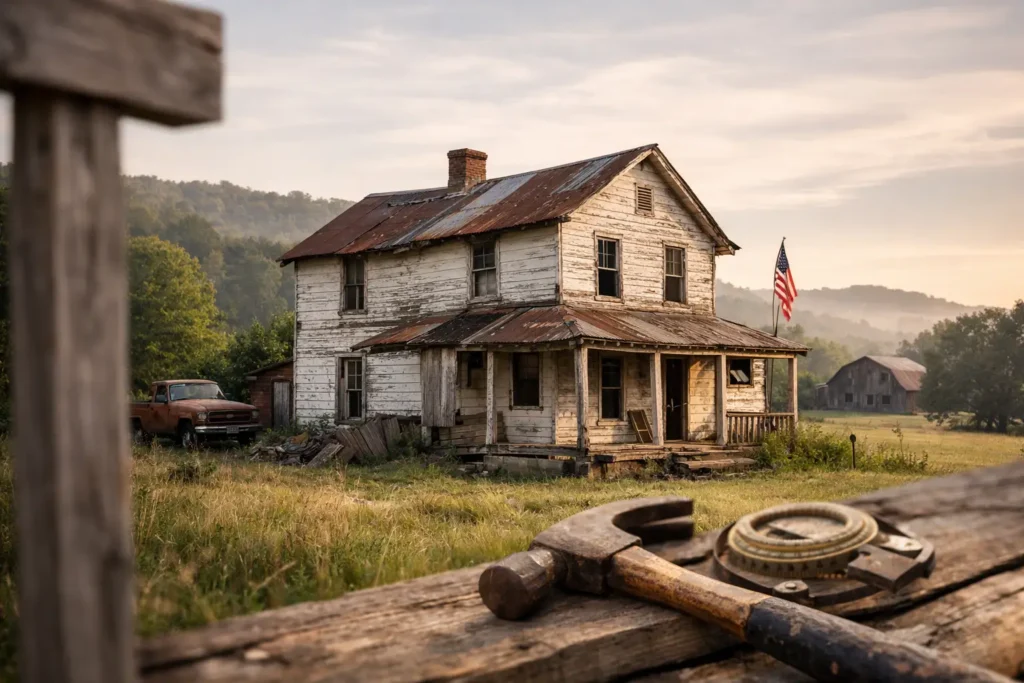
A house with peeling paint and an outdated kitchen can scare off a lot of buyers. For the right person, though, that same property can be a real opportunity. If you are looking at fixer upper homes Tennessee buyers often target, the goal is not just finding a cheap house. It is finding a home with the right bones, the right location, and a renovation path that makes sense for your budget.
In Tennessee, that matters more than people think. A fixer-upper in Crossville, Cookeville, Sparta, or Lake Tansi can look affordable on day one, but the true value depends on local demand, contractor availability, utility condition, and how much work the home really needs. A smart purchase starts with clear eyes.
Why fixer upper homes Tennessee buyers want can make sense
The biggest reason buyers look at fixer-uppers is simple: price. In many Tennessee markets, especially smaller cities and lifestyle-driven communities, a home that needs cosmetic updates may open the door to ownership when move-in-ready homes feel out of reach.
That can be especially appealing for first-time buyers, retirees looking to customize a smaller home, or investors searching for a rental or resale opportunity. Instead of paying top dollar for someone else’s finishes, you may be able to buy lower and improve the property over time.
There is also a lifestyle piece to this. Many buyers in the Cumberland Plateau region are not chasing a flashy flip. They want a solid ranch, cottage, or country home they can make their own. New flooring, updated lighting, fresh paint, and better outdoor living space can go a long way without turning the project into a full gut renovation.
Still, not every fixer-upper is a bargain. Some are priced low because they need far more than surface-level work.
The difference between cosmetic and costly repairs
This is where buyers can save themselves a lot of stress. A home with old carpet, dated cabinets, and worn fixtures is one thing. A home with foundation issues, an aging roof, failing septic, or outdated electrical is another.
Cosmetic repairs are usually easier to budget and easier to phase in. You can often live in the home while replacing flooring, painting walls, updating bathrooms, or swapping out appliances. These changes improve comfort and appearance without always disrupting daily life.
Structural or system repairs are different. If the HVAC is at the end of its life, the plumbing has chronic leaks, or the crawl space shows moisture damage, the project can get expensive fast. In rural and semi-rural areas of Tennessee, septic systems, well water components, grading, and drainage should also get close attention. Those are not the flashy upgrades people post online, but they are often the repairs that determine whether a fixer-upper is truly worth buying.
Where fixer-upper opportunities show up in Tennessee
The best opportunities usually appear in markets where buyers still have room to build equity without getting buried in renovation costs. In places like Crossville and surrounding communities, buyers often find older homes on usable lots, modest ranch homes, or homes near golf, lake, or retirement areas that need updates but still offer solid long-term appeal.
Cookeville can attract buyers who want access to a larger local economy and steady demand. Sparta may appeal to buyers who want a smaller-town feel with affordability. Lake Tansi and nearby communities can be attractive for buyers focused on lifestyle, retirement, or second-home potential.
Location inside the market matters just as much as the city itself. A fixer-upper on a good street, near shopping, medical care, schools, or outdoor recreation, will usually offer more upside than a cheaper house in a less desirable spot. You can change flooring and cabinets. You cannot change where the property sits.
How to tell if the numbers work
Buyers often make one of two mistakes. They either underestimate repair costs, or they overestimate what the finished home will be worth.
A better approach is to start with the total investment. Add the purchase price, the estimated repair budget, carrying costs, and a cushion for surprises. Then compare that number to the realistic market value of similar updated homes nearby.
The key word is realistic. If renovated homes in the area are selling for a certain range, your property will likely stay in that range no matter how much money you pour into high-end finishes. A modest home in a practical neighborhood usually benefits more from clean, durable updates than from luxury materials.
It also helps to separate must-do repairs from nice-to-have improvements. Roof leaks, electrical hazards, rotted subflooring, and plumbing failures belong in the first category. New countertops and trendier tile belong in the second. That distinction can protect your budget and your sanity.
Financing a fixer-upper takes planning
Not every fixer-upper qualifies for every type of loan. Some homes are in good enough shape for conventional financing, while others may need renovation financing or a cash purchase.
This is one area where buyers should ask questions early instead of falling in love with a property first. If a home has major safety issues, missing systems, or serious deferred maintenance, the lender may not approve it in its current condition. That does not mean the deal is dead. It means the financing path may be different.
Renovation loans can be useful, but they come with more paperwork, contractor estimates, and timelines. Cash gives buyers flexibility, but not everyone wants to tie up that much money. There is no one right answer here. It depends on the property, your reserves, and how quickly you need the work completed.
What buyers should inspect carefully
A good inspection matters with any home, but with fixer-uppers it is essential. Buyers should pay close attention to the roof, HVAC, plumbing, electrical panel, windows, crawl space, foundation, moisture intrusion, and septic or sewer setup.
In Tennessee, moisture is often a bigger issue than buyers expect. A damp crawl space, poor drainage, or signs of mold can point to ongoing maintenance needs. Older homes may also have outdated wiring or insulation that affects both safety and efficiency.
If the home has been vacant, that can create another layer of concern. Vacant properties may hide plumbing leaks, pest activity, or neglected exterior maintenance. Even if the price looks great, a vacant fixer-upper deserves extra caution.
Who fixer-upper homes in Tennessee are best for
These homes can be a great fit for patient buyers who are flexible and realistic. If you can look past old finishes, stay focused on the bigger picture, and budget for unexpected repairs, a fixer-upper can be a strong path to homeownership or investment.
They are often a good match for buyers who do not need perfection on day one. Maybe you are willing to renovate room by room. Maybe you want a home in a location you could not otherwise afford. Maybe you have family help, contractor connections, or renovation experience that gives you confidence.
They are not always the best fit for buyers with very tight cash reserves, limited tolerance for disruption, or an urgent move-in timeline. If every dollar is already spoken for at closing, a fixer-upper can feel less like an opportunity and more like pressure.
How local guidance can save you money
This is where a local real estate professional earns their keep. A good agent can help you spot the difference between a home with promise and a home with problems. They can also help you judge whether a price reflects the actual condition of the property and the expectations of that neighborhood.
That local insight matters in Tennessee markets where property styles, lot sizes, and utility setups can vary a lot from one area to the next. A home that looks like a steal online may have access issues, drainage concerns, or resale limitations that are easier to recognize when you know the market well.
At 931 Dream Homes, that practical local view is a big part of helping buyers move with confidence. The right fixer-upper should feel like a smart next step, not a gamble.
A smart fixer-upper is about more than a low price
The best fixer-upper purchases usually have three things in common: a location people want, a house with workable bones, and a buyer with a plan. If one of those pieces is missing, the deal gets shakier.
A low price can get your attention, but it should not make the decision for you. What matters is whether the home gives you room to improve it without overextending yourself. When the numbers are honest and the expectations are realistic, fixer upper homes Tennessee buyers consider can offer real value, real flexibility, and a real chance to create a home that fits your life.
If you are considering one, slow down just enough to evaluate the whole picture. The right project can be exciting. The right project with the right guidance can be a very smart move.
Pingback: Affordable Lake Area Homes for Tennessee Buyers – 931 Dream Homes