
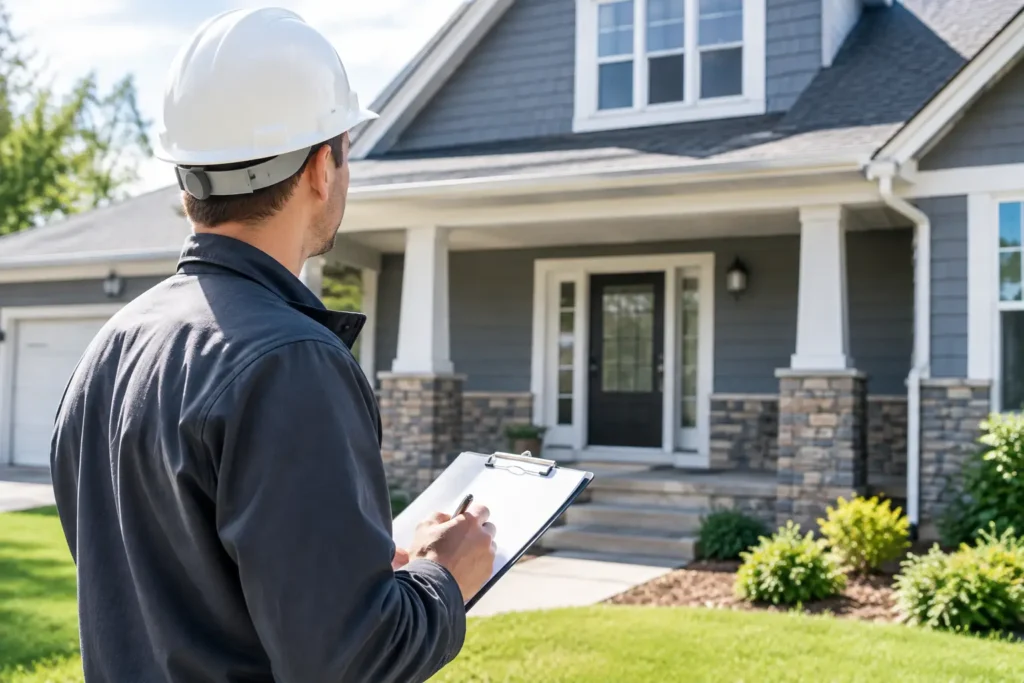
A home can look move-in ready during a showing and still have a tired HVAC system, hidden moisture under the crawlspace, or an electrical panel that deserves a closer look. That is why home inspectors are such an important part of the buying process. Their job is not to make you nervous about a property. It is to give you a clearer picture of what you are buying before you get to closing.
For buyers in Crossville, Lake Tansi, Cookeville, Sparta, and nearby communities, an inspection can be especially valuable because our area offers such a wide mix of homes. You may be considering a newer ranch home, a lake-area cottage, a manufactured home, a rural property with a well and septic system, or a fixer-upper with plenty of potential. Each type of property comes with its own questions.
What Home Inspectors Actually Do
A general home inspection is a visual, noninvasive review of a home’s major accessible systems and components. The inspector typically looks at the roof, structure, exterior, foundation, attic, interior rooms, plumbing, electrical system, heating and cooling equipment, insulation, windows, doors, and built-in appliances.
The report should help you understand the home’s current condition, identify safety concerns, and separate routine maintenance from issues that may require a contractor. A good inspector explains findings in plain language and provides photos so you can see what they saw.
An inspection is not a pass-or-fail test. Nearly every home, including a brand-new one, will have a list of items to address. The value is in understanding which findings are minor, which need attention soon, and which could affect your decision, budget, or negotiations.
What an Inspection May Not Cover
Buyers sometimes assume a general inspection covers every inch of the property. It does not, and that is not a sign that the inspector missed something. General inspections have limits.
Inspectors do not usually open walls, move heavy furniture, dig around foundations, inspect inaccessible crawlspaces, or guarantee how long a system will last. They also may not perform specialized testing for mold, radon, pests, lead-based paint, asbestos, well water quality, septic function, chimney interiors, or underground sewer lines unless those services are specifically included.
That matters in Tennessee, where the right follow-up can depend on the home and location. A property with a private well or septic system may call for separate evaluations. A home with a wood-burning fireplace may need a chimney professional. Older homes can benefit from a sewer scope, while homes with signs of moisture may need a more focused assessment from the right specialist.
The inspection report should be your starting point for those decisions, not the final word on every system.
Choosing Home Inspectors With Confidence
The inspector you choose should be licensed in Tennessee and willing to answer questions before and after the inspection. Experience matters, but communication matters just as much. You want someone who can explain a concern without turning every loose outlet cover into a crisis.
Ask how long the inspection generally takes, whether you can attend, when you will receive the report, and what is included in the fee. A thorough inspection of an average home often takes several hours. Be cautious of an unusually fast inspection that produces a thin report with few photos or vague language.
It is also smart to ask whether the inspector performs additional services you may need, such as radon testing, water testing, thermal imaging, or a septic inspection. There is no one perfect package for every home. A small newer home on city utilities has different needs than a rural acreage property with outbuildings, a private well, and a septic system.
Your real estate agent can share local names and help you understand timing, but the inspector works for you. The final choice is yours, and you should feel comfortable with it.
Attend the Inspection If You Can
Reading the report is essential, but walking through the property with the inspector can make the information much easier to understand. You may see where a stain is located, hear how an aging unit sounds, or learn how to operate a shutoff valve. Those details are much more useful when you are standing in the home.
You do not need to follow the inspector through every step. Many buyers arrive toward the end of the appointment for a walkthrough of the main findings. Bring questions, take notes, and focus on learning about the home rather than trying to negotiate on the spot.
For first-time buyers, this can be one of the best practical lessons in homeownership. You may leave with a short maintenance list that helps you protect the home from day one, such as cleaning gutters, servicing the HVAC system, monitoring a minor crack, or improving grading near the foundation.
How to Read the Inspection Report Without Panicking
Inspection reports can be long. They may include dozens of photos and a long list of observations, including small defects that are common in lived-in homes. Do not let the page count alone scare you.
Start by sorting findings into three groups: safety concerns, major repairs or expenses, and routine maintenance. Safety concerns may include exposed wiring, active leaks, missing handrails, or combustion issues. Major repairs could involve a failing roof, structural movement, an outdated electrical system, or heating and cooling equipment near the end of its useful life. Routine maintenance includes the smaller items a homeowner should plan to handle over time.
Next, look for wording that signals urgency. Terms such as “further evaluation by a qualified contractor,” “active,” “safety hazard,” or “repair recommended” deserve a closer look. If a finding is unclear, ask the inspector what it means in real life. Is it a monitor-and-maintain item, something to fix after closing, or a concern that should be evaluated before you move forward?
Age is not the same as failure. An older roof or water heater may still be functioning properly, but it can affect your future budget. That is useful information, particularly if you are stretching to buy a home or comparing several properties.
Using the Report During Negotiations
The inspection period gives buyers an opportunity to make informed choices. Depending on the contract and the findings, you may request repairs, ask for a credit, seek a price adjustment, request more time for specialist evaluations, or decide the property is not the right fit.
The best requests are focused and reasonable. Major health, safety, structural, water intrusion, plumbing, electrical, or mechanical concerns are usually more appropriate to address than cosmetic wear. A seller may be open to resolving a significant issue, but expecting a resale home to look brand-new can create unnecessary friction.
Sometimes a credit makes more sense than a repair. It depends on the issue, the lender requirements, the seller’s timeline, and whether you would rather choose the contractor yourself after closing. Other times, a repair before closing is the better choice, especially when there is an active safety concern or a problem that could worsen quickly.
If the seller agrees to complete work, make sure the agreement is specific. “Repair plumbing” is not as useful as identifying the issue, the expected correction, and whether invoices or receipts will be provided. A reinspection or contractor verification may also be worth considering for larger repairs.
Special Considerations for Land, New Builds, and Fixer-Uppers
A vacant parcel does not need a standard home inspection, but it may need other due diligence. Buyers should understand access, boundaries, utilities, soil conditions, septic possibilities, restrictions, and drainage before planning a build. What looks like an affordable piece of land can become expensive if it needs extensive site work or cannot support the plans you have in mind.
New construction should also be inspected. New does not automatically mean flawless. An independent inspection before closing can identify incomplete work, installation issues, drainage concerns, or items that need attention while the builder is still responsible.
For a fixer-upper, an inspection helps you price the project honestly. Cosmetic updates are one thing. Foundation repairs, plumbing replacement, electrical upgrades, roof work, and moisture remediation are another. The right home can still be a great opportunity, but your renovation budget needs room for what you cannot see during a quick showing.
Keep the Inspection in Perspective
A home inspection is one of the smartest ways to protect your purchase, but it should support your decision rather than make it for you. A well-maintained older home may have a longer report than a newer home simply because it has more years of normal wear. On the other hand, a clean-looking property can have a few costly concerns hiding behind fresh paint.
The goal is clarity. Know what the home needs, what it may cost, and whether that fits your plans. When you have a local team that can help you ask the right questions and move forward with confidence, the process feels far more manageable.
At 931 Dream Homes, we believe your dream home should come with clear information, not costly surprises. Before you commit, give yourself the time to understand the inspection, get the right follow-up answers, and choose the home that feels right for your next chapter.