
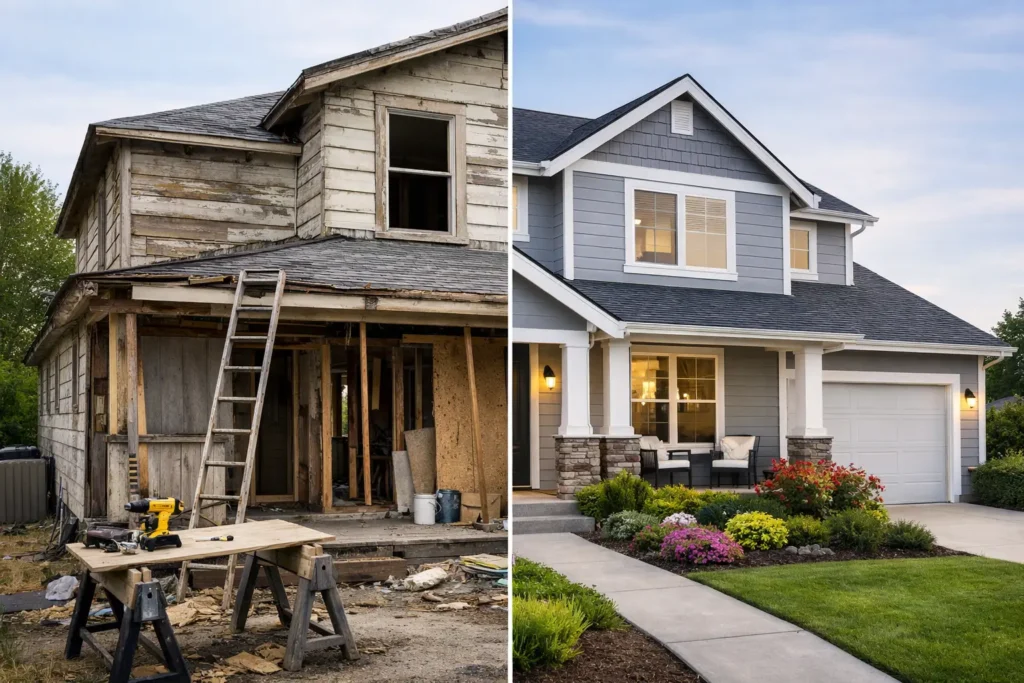
A house with a tired kitchen on a quiet Crossville street can look like a bargain. A newer home near Lake Tansi with fresh paint and a clean inspection report can feel like instant relief. When buyers weigh fixer upper versus move in ready, the best choice is rarely about which property is better. It is about which path fits your budget, timeline, energy, and plans for life in Cumberland County.
A move-in-ready home may cost more up front, while a fixer-upper may ask more of you after closing. Both can lead to a home you love. The key is looking beyond the listing price before you fall for the view, the porch, or the promise of a project.
Fixer Upper Versus Move In Ready: Start With Your Reality
A fixer-upper is a home that needs updates, repairs, or larger improvements before it fully matches your needs. That could mean replacing flooring and painting cabinets, or it could mean addressing an aging roof, outdated electrical work, plumbing concerns, or foundation issues. Not every home labeled “needs TLC” is a simple weekend project.
A move-in-ready home is generally safe, functional, and ready for everyday living at closing. It does not mean every finish will match your taste. You may still want a different backsplash, new landscaping, or another paint color. The difference is that those projects are choices, not urgent needs.
For many buyers in Crossville, Cookeville, Sparta, Baxter, and nearby communities, the decision comes down to one honest question: Do you want to spend your first year making a house workable, or making it yours?
When a fixer-upper can be the right move
A fixer-upper can make sense when you have patience, a realistic renovation fund, and a clear reason for taking on the work. You may be able to buy in a location you otherwise could not afford, find a larger lot, or create a home with character that newer properties do not offer.
It can also be a smart option for buyers who are comfortable improving a home over time. A solid ranch home with cosmetic updates may offer real opportunity if the major systems are in good shape. Painting, updating fixtures, refinishing floors, and improving curb appeal can change how a property feels without requiring a full-scale renovation.
The opportunity is strongest when the home has good bones. Look for a workable layout, a sound structure, adequate drainage, and systems with enough useful life left to avoid a string of immediate surprises. A home with ugly carpet is one thing. A home with water intrusion, unsafe wiring, and a failing septic system is another.
When move-in ready is worth the premium
Move-in-ready homes often appeal to first-time buyers, busy families, retirees, and people relocating to the Cumberland Plateau. If you are moving from another city, starting a new job, downsizing, or selling one home while buying another, fewer projects can mean a much smoother transition.
The higher purchase price may bring more certainty. You can focus on unpacking, learning your new neighborhood, and enjoying weekends at the lake or on the golf course instead of tracking down contractors. For buyers using most of their available funds for the down payment and closing costs, that predictability matters.
A move-in-ready property can also be the better choice when financing is tight. Major repairs after closing are usually paid from your own savings, not rolled into a standard mortgage. If a fixer-upper leaves no room for surprises, a home in better condition may protect your peace of mind.
Look at the Full Cost, Not Just the Purchase Price
The lower list price of a fixer-upper gets attention, but it is only the first number. Before making an offer, estimate what the home will cost to own and improve during your first 12 to 24 months.
Start with repairs that affect safety, function, and value: roof condition, heating and cooling, electrical panel, plumbing, windows, drainage, foundation, and septic or well systems where applicable. Then separate those needs from cosmetic wants. New counters may be exciting, but a leaking roof comes first.
Renovation budgets should also include a cushion. Materials change in price, contractors uncover hidden damage, and older homes can reveal one issue after another once walls or floors are opened. A contingency fund of 10% to 20% above expected project costs is a practical starting point for substantial work.
Move-in-ready homes have costs too. A newer roof or updated kitchen does not eliminate maintenance. You will still need reserves for routine repairs, utility bills, insurance, and improvements you choose later. The difference is timing. With a well-maintained home, those expenses are more likely to arrive gradually instead of all at once.
Do not skip the inspection
Whether a home looks polished or clearly needs work, a professional inspection is one of the most valuable steps in the process. Fresh paint can make a room look new, but it cannot tell you the age of the HVAC system or whether moisture is entering the crawl space.
For a fixer-upper, an inspection helps you decide whether the project is manageable or simply too expensive. In some cases, it makes sense to bring in additional specialists for roofing, structural questions, septic systems, wells, or electrical concerns. The goal is not to find a perfect house. The goal is to understand what you are buying.
For a move-in-ready home, the inspection helps confirm that “ready” is more than a marketing phrase. Even recently renovated homes deserve a close look, especially if work was completed quickly before listing.
Time, Stress, and Skill Are Part of the Price
Renovation shows make projects look fast. Real life includes permits, material delays, contractor schedules, dust, decisions, and the occasional surprise behind a wall. If you plan to live in the home while renovating, consider how that will affect your daily routine.
A kitchen remodel is manageable for some households and exhausting for others. Replacing one bathroom may be fine if another bathroom is available. Reworking electrical or plumbing throughout a home can make living there difficult. Be honest about your tolerance for disruption, not just your interest in design ideas.
Your own skill level matters as well. Buyers who can paint, install trim, handle basic landscaping, and coordinate small projects may stretch their budget further. But structural, electrical, plumbing, HVAC, and septic work should be evaluated by qualified professionals. Saving money on the wrong repair can become expensive later.
Financing Can Change the Answer
A conventional mortgage may work well for a home that needs cosmetic updates but is still safe and livable. Homes with significant repair needs can be harder to finance because lenders and appraisers may require certain conditions to be met before closing.
Some buyers explore renovation loan options that combine a purchase and approved repair costs. These programs can be useful, but they have more moving parts, contractor requirements, and timelines than a standard purchase. Cash buyers may have greater flexibility, but they still need a careful budget and strong due diligence.
Before focusing on a particular property, talk with a lender about the condition level your financing can handle. That conversation can save time and prevent disappointment after you have already fallen in love with a home.
Choose Based on Your Next Five Years
A fixer-upper can be a great fit if you plan to stay long enough to enjoy the improvements and you are buying at a price that leaves room for the work. It may be less appealing if you expect to move again soon, need every dollar for other goals, or cannot manage a renovation while life is already full.
Move-in ready can be especially valuable when convenience is your priority. It lets you settle in quickly and may make future resale easier, depending on the home, location, and condition of competing properties. Still, paying top dollar only makes sense when the home truly meets your needs and the condition supports the price.
There is no prize for choosing the biggest project or the newest finishes. The right home is the one that supports the life you want to build in it. If you are considering homes around Crossville or the surrounding area, 931 Dream Homes can help you look past the listing photos, compare the real trade-offs, and move forward with confidence.
Pingback: Buying Versus Renting in Tennessee Made Simple – 931 Dream Homes