
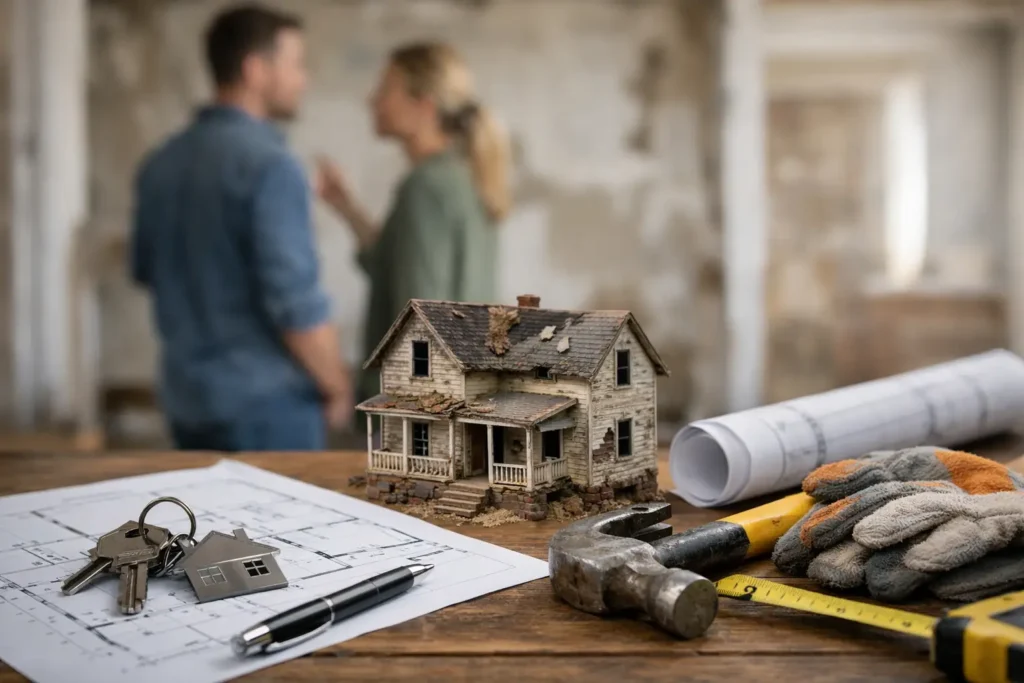
That old farmhouse with the deep porch might look like a bargain at first glance. So might the ranch home with good bones, a big yard, and a price tag lower than anything else in the neighborhood. But what to know before buying a fixer upper goes far beyond paint colors and flooring choices. The real question is whether the home gives you a smart path to equity, or a long list of expensive surprises.
A fixer-upper can absolutely be a great move in Crossville and surrounding areas, especially for buyers who want more house for the money or see potential where others see work. It can also become stressful fast if you underestimate repairs, overestimate your budget, or buy in the wrong location. That is why the best fixer-upper decisions start before you ever make an offer.
What to know before buying a fixer upper in Tennessee
The first thing to understand is that not all fixer-uppers are the same. Some need mostly cosmetic work like flooring, cabinets, fixtures, and paint. Others have structural issues, old wiring, foundation movement, roof problems, or outdated plumbing. Those are two very different purchases, even if the listing photos make them look similar.
In many Tennessee markets, especially smaller communities, buyers can find older homes with character, larger lots, and lower entry prices. That creates opportunity. It also means you may be dealing with aging systems, septic concerns, crawl space moisture, or additions that were done years ago without the clean documentation buyers hope for today. A low price is only a good deal when you understand the real cost of bringing the property where you need it to be.
Start with your real budget, not the listing price
This is where many buyers get tripped up. They see a home listed well below move-in-ready properties and assume the gap is their room to renovate. Sometimes that works. Sometimes the renovation budget eats through that difference almost immediately.
You need to look at three numbers together: purchase price, repair cost, and cash reserves. The cash reserve matters because fixer-upper projects rarely go exactly as planned. Once walls are opened, hidden issues can show up. Materials can cost more than expected. Contractors can uncover work that needs to be done now, not later.
If your budget is already tight at the purchase stage, a fixer-upper may not feel exciting for very long. A safer approach is to leave breathing room. If the home needs work before you can comfortably live in it, that should be calculated up front, not treated like a future problem.
The inspection matters more than ever
Every buyer should take inspections seriously, but with a fixer-upper, inspections are where the story gets real. A home inspection can reveal the difference between a property with manageable updates and one with major risk.
Pay close attention to the roof, HVAC, windows, plumbing, electrical panel, foundation, drainage, and moisture issues. In parts of Tennessee, grading and water movement around the home can create long-term trouble if they are not handled properly. Crawl spaces deserve extra attention too. Moisture, wood rot, mold concerns, and insulation problems can turn into larger repairs down the road.
You may also need specialized inspections depending on the property. Septic systems, well water, pest activity, chimneys, and structural concerns are worth a closer look when red flags show up. This is not the place to save a little money and hope for the best.
Cosmetic charm does not cancel major repairs
A lot of fixer-uppers are sold on potential. That is not a bad thing, but potential can be distracting. Buyers often focus on what they can change easily and miss what they cannot.
New countertops are optional. Foundation repair is not. Fresh paint is easy. Replacing outdated electrical throughout an older home is a bigger conversation. If you are touring homes and feeling excited, try to separate style from structure. Ask yourself what has to be fixed for safety, function, and insurance purposes before thinking about design upgrades.
This is one reason local guidance matters. An experienced real estate professional can help you look beyond staging, clutter, or dated finishes and focus on what actually affects value and livability.
Financing a fixer-upper can look different
One of the biggest things to know before buying a fixer upper is that financing is not always as simple as a standard mortgage. Some homes will qualify for conventional financing without much issue. Others may not, especially if the condition is poor enough to raise lender concerns.
If the home has serious health or safety issues, missing systems, or major deferred maintenance, your financing options may narrow. In some cases, buyers use renovation loan programs. In others, cash buyers have an advantage because they can handle properties that need immediate work.
This is worth discussing early, before you get attached to a specific property. You want to know what your lender is comfortable with and what condition standards could affect approval. It is much better to understand that before negotiations begin.
Get realistic about timeline and disruption
Most buyers underestimate how long repairs take. Even small projects can stretch when materials are delayed, contractor schedules shift, or unexpected repairs get added to the scope.
If you plan to live in the home while renovating, think honestly about what that means. A bathroom remodel sounds manageable until it is your only bathroom. Replacing flooring is easier on paper than when furniture has to be moved room by room. If the kitchen needs major work, daily life gets inconvenient quickly.
There is no single right answer here. Some buyers are comfortable tackling projects over time. Others want the house functional from day one. The important part is matching the property to your tolerance for disruption, not just your Pinterest board.
Know which repairs add value and which simply cost money
Not every renovation delivers the same return. In most markets, kitchens, bathrooms, flooring, curb appeal, and livable layout improvements tend to help the most. Basic systems matter too, even if they are not exciting. Buyers care about newer roofs, dependable HVAC, updated plumbing, and safe electrical work.
On the other hand, some upgrades are mostly personal preference. That does not mean you should avoid them, but you should be clear about why you are spending the money. If this is your long-term home, that answer may be simple. If resale matters in the next few years, focus first on improvements future buyers will actually notice and value.
In lifestyle-driven markets around the Cumberland Plateau, location and setting also matter. A home near the lake, with usable land, or in a desirable quiet area may justify renovation better than a similar home in a weaker spot. You can update a house. You cannot relocate it.
Permits, contractors, and old work can complicate things
Fixer-uppers often come with a history. Sometimes that history includes DIY repairs, converted spaces, enclosed garages, old additions, or outbuildings that may or may not have been done properly. That does not automatically kill the deal, but it should prompt questions.
Find out what work was done, when it was done, and whether permits were pulled where required. This matters for safety, insurance, and future resale. It also affects your renovation plan. If you are buying a home because of an extra room or finished area, you want to know whether that space truly functions as represented.
Contractor availability is another practical issue. In smaller markets, good contractors may stay booked out. That means your project schedule may depend as much on who can do the work as on your own plans. Price several jobs if possible and avoid building your budget around best-case estimates.
A fixer-upper should fit your season of life
A fixer-upper is not just a property decision. It is a lifestyle decision. First-time buyers sometimes love the lower purchase price but do not fully factor in time, stress, and repair management. Retirees may want the charm of an older home but not the physical effort of overseeing projects. Families may see extra bedrooms and yard space, but need a home that works right away.
That does not mean a fixer-upper is wrong for any of those buyers. It simply means the home has to fit your actual life. If you have the patience, budget, and vision, buying a home with upside can be a smart and rewarding move. If you need predictability and low maintenance, a move-in-ready home may serve you better even at a higher price.
At 931 Dream Homes, we believe the right home should give you confidence, not just possibilities. A fixer-upper can be a great opportunity when you walk in with clear eyes, good numbers, and the right support around you. If a home has strong bones, the right location, and room in the budget for the work ahead, that bargain price can turn into something really special. The best deals are not the homes with the lowest sticker price. They are the ones that still make sense after the dust settles.