
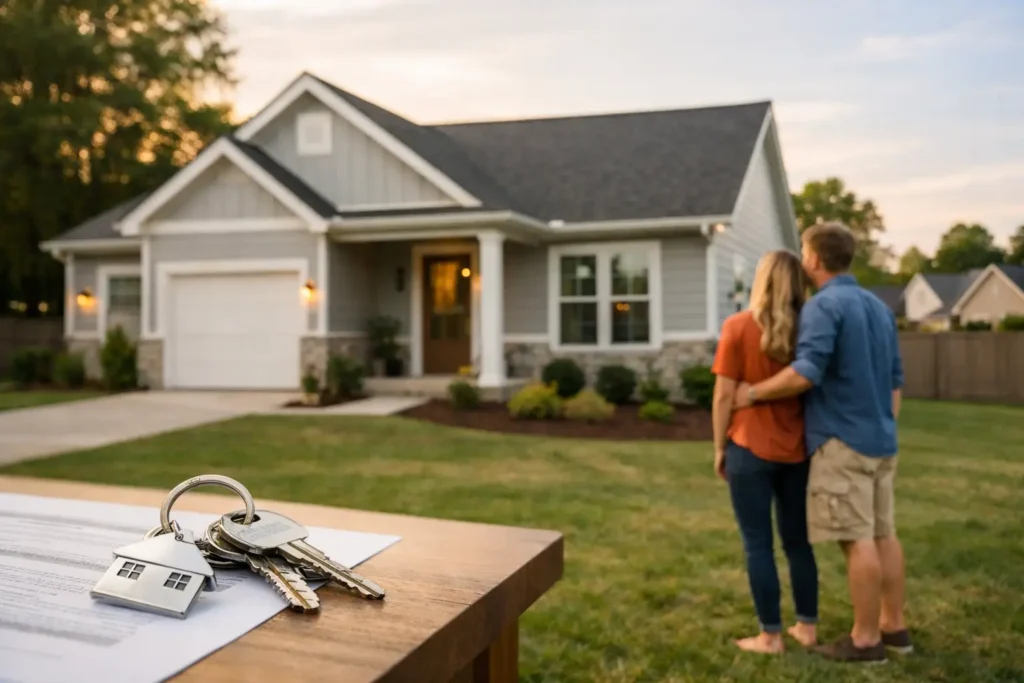
If you have been watching listings and wondering whether starter homes in Cookeville are still within reach, you are not alone. This is one of the most common questions first-time buyers ask, and the honest answer is yes – but you need the right expectations, quick timing, and a clear idea of what matters most to you.
Cookeville continues to attract buyers who want a practical mix of convenience, small-city living, and access to work, schools, shopping, and outdoor recreation. That demand is good for the area overall, but it also means affordable homes can move fast. For a first-time buyer, that can feel stressful. The good news is that there are still solid opportunities here if you know where to look and where you can stay flexible.
What counts as a starter home in Cookeville?
A starter home is not one specific style or square footage. In Cookeville, it usually means an affordable home that gives you a strong starting point without stretching your budget so far that homeownership becomes a burden. For some buyers, that is a smaller ranch with a simple layout. For others, it might be a cottage, a modest brick home, a townhouse, or even a fixer-upper with good bones.
The real definition comes down to function. A starter home should meet your everyday needs, keep monthly payments manageable, and leave room for future goals. That might mean accepting fewer cosmetic upgrades, a smaller lot, or a location just outside the most in-demand parts of town.
This is where buyers sometimes get stuck. They start their search wanting their first home to also be their forever home. In a market like Cookeville, that expectation can make the process harder than it needs to be. A good starter home does not have to be perfect. It has to be a smart next step.
The price reality for starter homes in Cookeville
Affordability is relative, and that matters in every conversation about buying your first place. Starter homes in Cookeville often attract strong attention because they appeal to first-time buyers, downsizers, and investors at the same time. That creates competition, especially for homes that are clean, move-in ready, and priced well.
In many cases, the lower end of the market includes older homes, smaller homes, and properties that may need at least some updates. Buyers who want newer finishes, larger square footage, or a highly central location may need to increase their budget or adjust their wish list.
That does not mean you have to settle for a bad investment. It means you should think in terms of priorities. If your goal is monthly affordability, you may look a little farther from the busiest parts of Cookeville. If your goal is minimal repairs, you may accept less space. If your goal is future value, you may consider a home that needs cosmetic work but sits in a strong location.
The buyers who do best in this market are usually the ones who know their ceiling before they start browsing. It is easy to fall in love with homes online. It is much better to know what payment feels comfortable first.
Where first-time buyers tend to look
Cookeville offers a mix of neighborhoods, in-town options, and nearby communities that can make sense for starter-home shoppers. Some buyers want to stay close to Tennessee Tech, downtown, medical offices, and major shopping. Others are happy to trade a slightly longer drive for more house or a quieter setting.
That flexibility can make a big difference. Areas just outside the most obvious search zones sometimes offer better value, especially for buyers who want a yard, a little more privacy, or room to grow. Homes in Baxter and other nearby communities may also come into the conversation if your main goal is stretching your budget while staying connected to the Cookeville area.
The right location depends on your routine. If you commute daily, school zoning matters, or you want quick access to restaurants and stores, that should carry real weight. If your schedule is more flexible, opening up your map can create better options.
What kind of homes are usually available?
Most first-time buyers in this market are looking at practical homes rather than flashy ones. That often means ranch-style properties, older brick homes, smaller three-bedroom layouts, compact new builds on smaller lots, and homes that have had some updates but not a full luxury remodel.
You may also come across fixer-uppers. These can be a smart path for the right buyer, especially if the structure is solid and the needed work is mostly cosmetic. A fixer-upper is not the right fit for everyone, though. If cash is tight after closing or your schedule is already packed, a project home can quickly feel overwhelming.
Newer homes can be appealing because they may need less immediate maintenance, but they often come at a higher price point. Older homes may offer better value per square foot, but you need to look carefully at roofs, HVAC systems, plumbing, windows, and electrical updates. The cheapest home on paper is not always the most affordable one over the next few years.
The trade-offs that matter most
Every starter-home search involves trade-offs. The question is not whether you will make them. The question is which ones are worth making for your situation.
Condition versus price is a big one. A home that needs paint, flooring, and dated kitchen updates may still be a great buy if the major systems are in good shape. On the other hand, a beautiful interior does not help much if the foundation, roof, or plumbing brings major repair costs.
Size versus location is another common decision. Some buyers find that a smaller home in a more convenient area makes daily life easier and resale stronger later on. Others would rather have more square footage and outdoor space, even if that means living a bit farther out.
Then there is timing. If rates, inventory, or competition shift, waiting can either help or hurt. There is no universal rule. Sometimes waiting gives you more savings and a stronger position. Sometimes it means paying more later for the same kind of home. That is why local guidance matters so much.
How to shop smarter as a first-time buyer
A strong start usually begins before the home tour stage. Get clear on your monthly comfort zone, not just the maximum number a lender approves. Those two numbers are often very different, and the comfortable one is the number that protects your everyday life.
It also helps to separate your must-haves from your nice-to-haves early. If you need three bedrooms, that is one thing. If you prefer an open floor plan and a farmhouse sink, that is another. Keeping those categories separate makes decision-making faster when a good home hits the market.
You should also be ready to move when the right property appears. Affordable homes in desirable areas often do not sit around long. That does not mean rushing blindly. It means being prepared enough to act with confidence instead of scrambling.
Working with a local agent who understands the pace and pricing of this area can save you time and stress. A good guide will help you spot value, notice red flags, and avoid wasting energy on homes that look good online but do not make sense in person. That practical support is especially valuable if this is your first purchase.
When a fixer-upper makes sense
Some of the best starter-home opportunities in Cookeville are homes that need a little work. That can be a real advantage if you are comfortable with updates and want a lower entry point.
The key is knowing the difference between manageable work and expensive surprises. Cosmetic changes like paint, fixtures, flooring, and landscaping are one thing. Foundation issues, outdated electrical systems, water intrusion, or major structural problems are something else entirely.
A fixer-upper can be a smart move if the price leaves room for repairs, the location is solid, and you have the time and money to take the work on. If not, a more move-in ready home may actually be the safer financial choice, even if the list price is higher.
Is now the right time to buy?
That depends on your finances, your job stability, and how long you expect to stay in the home. If you have steady income, a workable down payment, and a plan to stay put for a while, buying can make a lot of sense. If your situation feels uncertain, pressing pause may be the better move.
The right time is not about catching a perfect market moment. It is about being personally ready and buying a home that fits your real life. In Cookeville, that usually means staying focused on value, being open-minded about property type and location, and moving with purpose when the right home comes along.
For buyers who want a practical path into homeownership, Cookeville still has real potential. The best starter home is not always the flashiest one on the screen. It is the one that gets you in the door, keeps you comfortable, and gives you a strong place to build from. If you approach the search with clear priorities and local guidance, that next step can feel a lot more doable.